Gibbon: The Agile Ape of the Forest Canopy
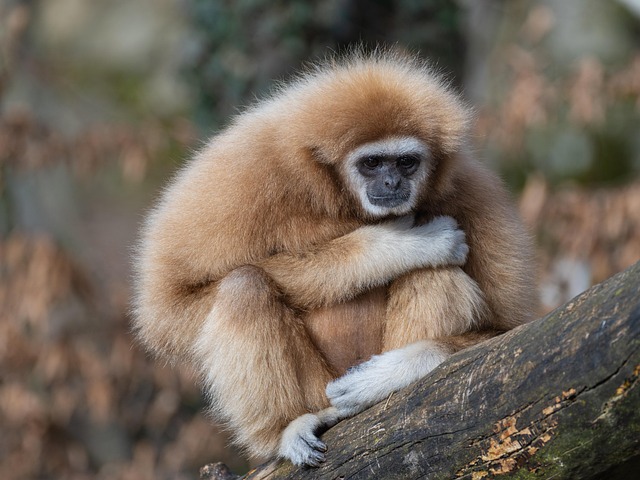
Gibbons are small, acrobatic apes known for their remarkable agility, long arms, and melodious calls that echo through tropical forests. Found in the dense forests of Southeast Asia, these primates spend most of their lives swinging effortlessly from branch to branch in a unique form of locomotion called brachiation. Gibbons are often called the “lesser apes” due to their smaller size compared to great apes like gorillas and orangutans, but they are no less fascinating.
With their expressive faces, agile movements, and complex social structures, gibbons are a symbol of the vibrant life thriving high above the forest floor. Their calls and songs are a signature of the tropical canopy, serving both as communication and a territorial marker.
Scientific Information
- Common Name: Gibbon
- Scientific Family: Hylobatidae
- Order: Primates
- Class: Mammalia
- Average Size: 16–25 inches (40–65 cm) body length
- Weight: 12–22 pounds (5–10 kg) depending on species
- Lifespan: 25–30 years in the wild; up to 40 years in captivity
Species: There are fourteen recognized species of gibbons, including the Lar Gibbon, Siamang, Hoolock Gibbon, and Agile Gibbon.
Distribution: Gibbons are native to Southeast Asia, including countries like Thailand, Malaysia, Indonesia, and Myanmar.
Fun Facts
- Swinging Specialists: Gibbons can swing from branch to branch at speeds of up to 35 miles per hour using only their arms.
- Loud Singers: Their songs can be heard for over a mile and are used to strengthen pair bonds or mark territory.
- Monogamous Pairs: Gibbons often form lifelong bonds, with parents raising their offspring together.
- No Tail: Unlike monkeys, gibbons are tailless apes.
- Expressive Faces: Their faces can show a wide range of emotions, from curiosity to alertness.
- Tool-Free Survival: They survive entirely in the wild without using tools, relying on agility, intelligence, and teamwork.
Habits & Behavior
Gibbons are fascinating primates with unique adaptations and social structures:
- Tree-Dwelling Lifestyle: They rarely come to the ground, living almost exclusively in the forest canopy.
- Diet: Mainly frugivores (fruit-eaters) but also consume leaves, flowers, and insects.
- Territorial Singing: Both males and females sing duets to defend territory and strengthen pair bonds.
- Agile Locomotion: Their long arms and strong shoulder joints allow brachiation—a swinging motion that helps them navigate treetops efficiently.
- Family Units: Gibbons live in small family groups, typically consisting of a mated pair and their offspring.
- Daily Routine: Most activity occurs during the day (diurnal), with early mornings and late afternoons used for feeding and singing.