Grebe: The Elegant Diver of Freshwater Lakes
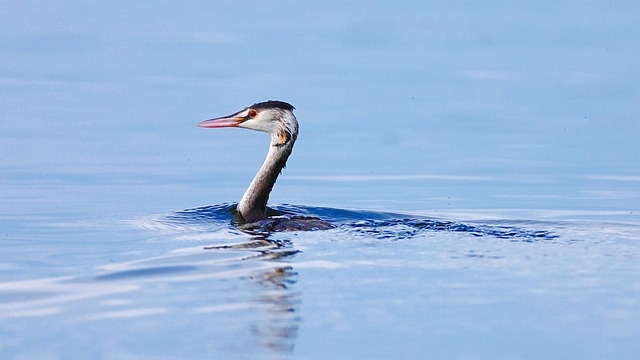
The Grebe is a graceful and fascinating waterbird known for its incredible diving skills and floating elegance. Found in lakes, ponds, and marshes across the world, grebes are expert swimmers that spend most of their lives on water. Unlike many birds, they rarely come to land, making them one of the most water-adapted bird families. With their sleek bodies, lobed feet, and striking courtship dances, grebes are a true wonder of aquatic nature.
Fun Facts
- Grebes are excellent divers and can stay underwater for up to 30 seconds or more.
- Their feet are located far back on their bodies, making them powerful swimmers but awkward on land.
- Some grebe species perform beautiful “water dance” courtship displays.
- They often swallow their own feathers, which may help protect their digestive system from sharp fish bones.
- Grebe chicks frequently ride on their parents’ backs for safety and warmth.
- They build floating nests anchored to aquatic plants.
- Grebes communicate using a variety of calls, especially during breeding season.
Scientific Information
| Category | Information |
| Common Name | Grebe |
| Scientific Name | Family Podicipedidae |
| Class | Aves |
| Order | Podicipediformes |
| Habitat | Freshwater lakes, ponds, marshes, and sometimes coastal waters |
| Diet | Fish, insects, crustaceans, amphibians |
| Size | 23–74 cm depending on species |
| Wingspan | 40–120 cm |
| Lifespan | 10–15 years (varies by species) |
| Conservation Status | Mostly Least Concern, some species threatened |
Habits & Behavior
Grebes are highly specialized aquatic birds that are almost always found in water. They are strong divers and use their lobed toes like paddles to chase fish and underwater prey with great agility. Instead of walking or flying long distances, they prefer swimming and diving as their main mode of movement.
During breeding season, grebes are famous for their synchronized courtship dances, which include head shaking, diving displays, and graceful “rushing” across the water surface. These rituals help strengthen pair bonds.
Grebes build floating nests made of reeds and aquatic vegetation, usually anchored to plants to prevent drifting. Both parents take care of the eggs and chicks. One of the most charming behaviors is how young grebes often climb onto their parents’ backs to rest or travel safely across the water.
Although they are capable of flight, grebes take off awkwardly from water and prefer short-distance flights between water bodies.