Harrier: The Graceful Hunter of Marshes and Grasslands
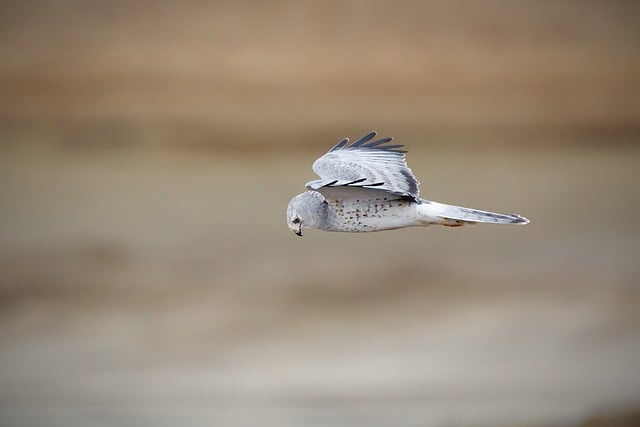
Harriers are elegant birds of prey known for their low, gliding flight over open landscapes. Unlike many other raptors that soar high in the sky, harriers skim just above grasslands, wetlands, and marshes while searching for prey. Their distinctive hunting style, keen eyesight, and owl-like facial disc make them fascinating hunters and a favorite among birdwatchers worldwide.
Found across many continents, harriers play an important role in maintaining ecological balance by controlling populations of rodents and other small animals. Their graceful flight and adaptability have earned them a special place among the world’s most remarkable birds of prey.
Fun Facts
- Harriers often fly only a few feet above the ground while hunting.
- They have an owl-like facial disc that helps them detect sounds made by prey.
- Harriers are among the few birds of prey that rely heavily on both hearing and vision when hunting.
- Male and female harriers often have noticeably different plumage colors.
- Some species migrate thousands of kilometers between breeding and wintering grounds.
- Their long wings and tail provide exceptional maneuverability over open terrain.
- Harriers frequently hunt at dawn and dusk when many small animals are active.
- They can suddenly drop from flight to capture prey hidden in vegetation.
Scientific Information
Common Name: Harrier
Scientific Genus: Circus
Family: Accipitridae
Order: Accipitriformes
Class: Aves
Diet: Carnivorous
Lifespan: Typically 10–16 years in the wild
Length: 40–60 cm (16–24 inches), depending on species
Wingspan: 95–140 cm (37–55 inches)
Weight: 300–750 grams, varying by species
Habitat: Grasslands, wetlands, marshes, agricultural fields, heathlands, and open plains
Distribution: Europe, Asia, Africa, North America, South America, and Australia, depending on species
Habits & Behavior
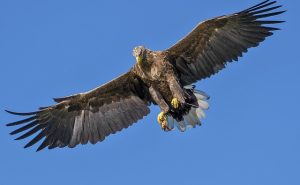
Harriers are highly specialized hunters that prefer open habitats where they can fly low and scan the ground for prey. Their long wings are typically held in a shallow V-shape while flying, creating a distinctive silhouette.
These raptors primarily feed on small mammals, birds, reptiles, amphibians, and large insects. They use their excellent vision and sensitive hearing to locate prey hidden beneath grass or vegetation. Once prey is detected, a harrier quickly swoops down for the capture.
Most harrier species are solitary hunters, although they may gather in communal roosts during the non-breeding season. During courtship, males perform spectacular aerial displays, including dives, rolls, and food-passing flights to impress females.
Harriers usually build nests on the ground among tall grasses, reeds, or dense vegetation. Females incubate the eggs while males often provide food throughout the nesting period. Their nesting strategy helps conceal eggs and chicks from predators.
As important predators in their ecosystems, harriers contribute to healthy habitats by regulating populations of rodents and other small animals. Their presence is often considered an indicator of thriving grassland and wetland environments.