The Enchanting World of Hedgehogs: Tiny Guardians of the Night
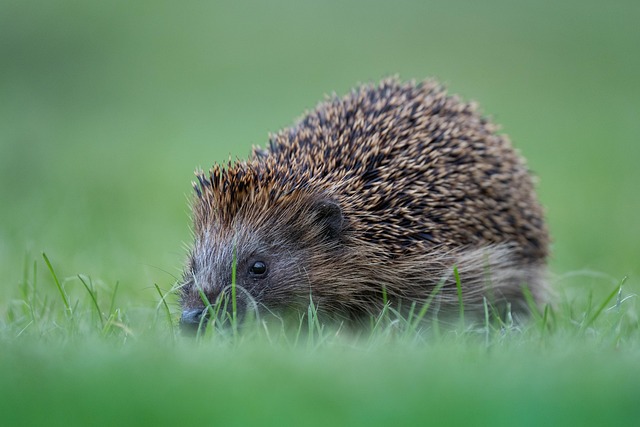
Hedgehogs are small, spiny mammals that have captured human fascination for centuries. With their adorable faces and unique defense mechanism—rolling into a tight, spiky ball—they are both charming and remarkable. Found across Europe, Asia, and Africa, these nocturnal creatures quietly roam gardens, forests, and grasslands, playing an important role in maintaining ecological balance.
Fun Facts
Hedgehogs have around 5,000–7,000 spines, which act as their primary defense.
They are nocturnal, meaning they are most active at night.
Baby hedgehogs are called hoglets—and they’re born with soft, harmless spines!
Hedgehogs rely heavily on their sense of smell and hearing, not eyesight.
Their favorite foods include insects, worms, and small creatures, making them natural pest controllers.
When threatened, they curl into a ball—a behavior called self-anointing defense posture.
Scientific Information
- Scientific Family: Erinaceidae
- Order: Eulipotyphla
- Lifespan: Typically 3–7 years in the wild
- Body Length: About 10–30 cm
- Weight: Around 0.5–1.5 kg
- Habitat: Forests, grasslands, deserts, and even suburban gardens
- Distribution: Europe, Asia, and Africa
Hedgehogs are classified into 17 species, each adapted to its environment—from European gardens to African deserts.
Hedgehogs are solitary and mostly active after sunset. They spend their nights foraging for food, covering surprisingly long distances in search of insects and small prey. During colder months, many species enter hibernation, slowing their metabolism to survive harsh conditions.
Despite their shy nature, hedgehogs are highly adaptable. They build nests from leaves and grass, often hidden under bushes or logs. When encountering danger, their instinct is to curl into a tight ball, raising their sharp spines outward to deter predators.