Heron – The Graceful Master of Wetlands
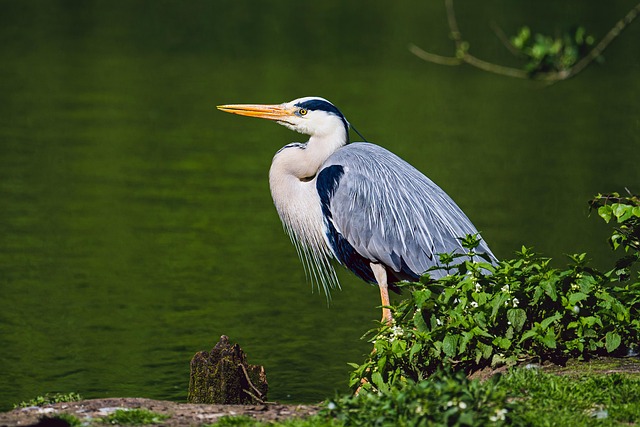
The Heron is one of the most elegant and fascinating birds found near rivers, lakes, marshes, and coastal wetlands around the world. Known for its long legs, slender neck, and sharp beak, the heron is a patient hunter that can stand motionless for minutes before striking its prey with lightning speed. These beautiful birds symbolize calmness, balance, and intelligence in many cultures. Whether flying gracefully across the sky or quietly waiting in shallow water, herons are truly remarkable creatures of nature.
Fun Facts
- Herons can remain perfectly still for a very long time while hunting fish.
- Some species have wingspans reaching over 6 feet (1.8 meters).
- Herons fly with their necks folded in an “S” shape, unlike cranes that stretch their necks straight.
- They are excellent night hunters and often hunt during dawn or dusk.
- A group of herons is called a “siege” or “scattering.”
- Herons build large nests high in trees or near wetlands.
- Their sharp beaks act like spears to catch fish quickly.
- Herons are found on every continent except Antarctica.
Scientific Information
| Category | Information |
| Common Name | Heron |
| Scientific Family | Ardeidae |
| Class | Aves |
| Order | Pelecaniformes |
| Habitat | Wetlands, rivers, lakes, marshes, mangroves, coastlines |
| Diet | Fish, frogs, insects, snakes, small mammals, crustaceans |
| Lifespan | 10–25 years depending on species |
| Wingspan | 5–6 feet in larger species |
| Conservation Status | Varies by species |
Some well-known heron species include the Great Blue Heron, Grey Heron, and Little Egret.
Habits & Behavior
Herons are solitary and highly patient hunters. They usually stand quietly in shallow water, waiting for fish or other prey to come close. Once the perfect moment arrives, they strike rapidly with their long beaks.
These birds are mostly active during early morning and evening hours. Many species migrate seasonally to find warmer climates and better feeding grounds.
Herons are skilled flyers and can travel long distances during migration. Their broad wings allow them to glide smoothly over wetlands and coastlines.
During breeding season, herons gather in colonies called rookeries. They build nests using sticks and reeds, often in tall trees near water. Both parents help incubate eggs and care for the chicks.
Herons are generally calm birds, but they can become aggressive when protecting their nests or hunting territories.
Why Herons Are Important to Nature
Herons play an important role in maintaining healthy wetland ecosystems. By feeding on fish, insects, and small animals, they help control populations and maintain ecological balance. Their presence is also a sign of a healthy aquatic environment.
Wetlands that support herons often provide habitats for countless other species, making these birds valuable indicators of environmental health.
The Heron is a stunning bird admired for its beauty, patience, and hunting skills. From peaceful wetlands to coastal shores, herons continue to captivate bird lovers and nature enthusiasts around the world. Protecting their habitats helps preserve not only these graceful birds but also the rich ecosystems they depend on.