Komodo Dragon – The Mighty Dragon of the Islands
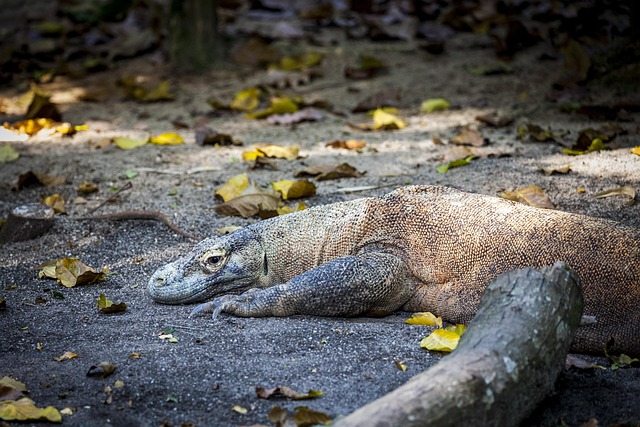
The Komodo Dragon is the largest living lizard in the world and one of nature’s most awe-inspiring reptiles. Found in the islands of Indonesia, these powerful predators command respect with their size, strength, and hunting prowess. Often called “dragons” for their fierce appearance, Komodo Dragons are remarkable survivors, perfectly adapted to their island habitats. Observing a Komodo Dragon in the wild is a rare and thrilling experience, as they embody the raw power and mystery of the reptile world.
Fun Facts About Komodo Dragons
- Komodo Dragons can grow up to 10 feet (3 meters) long and weigh over 150 kg (330 lbs).
- Despite their size, they are fast runners and can reach speeds of up to 12 mph (20 km/h).
- Komodo Dragons have a venomous bite that helps them subdue prey.
- They can eat up to 80% of their body weight in a single meal.
- Komodo Dragons can swim between islands, which helps them spread across their habitat.
- They have a keen sense of smell, detecting carrion from several miles away.
Scientific Information
- Common Name: Komodo Dragon
- Scientific Name: Varanus komodoensis
- Family: Varanidae
- Class: Reptilia (Reptiles)
- Order: Squamata
- Average Lifespan: 30 years in the wild
- Habitat: Dry forests, savannas, and grasslands on Indonesian islands (Komodo, Rinca, Flores)
- Diet: Carnivore (deer, pigs, smaller reptiles, and carrion)
Komodo Dragons are apex predators of their islands. Their strong jaws, serrated teeth, and venomous bite allow them to hunt efficiently. They are ectothermic (cold-blooded), which means they rely on the sun to regulate their body temperature.
Habits & Behavior
Komodo Dragons are solitary hunters, preferring to roam alone except during mating or feeding on large carcasses. They are ambush predators, often lying in wait before striking with lightning speed.
These reptiles are skilled swimmers and can cover short distances between islands. They are also excellent climbers when young, using trees for safety from predators. Adult Komodo Dragons communicate through body language, hisses, and tail movements, and use their sharp sense of smell to detect prey from afar.
Mating occurs between May and August, with females laying up to 30 eggs in nests or burrows. Young dragons face threats from predators, including adult Komodo Dragons, which is why juveniles spend their early years in trees for safety.
Though formidable hunters, Komodo Dragons are an important part of their ecosystem, helping control prey populations and maintain the natural balance on their islands.