Lapwing – The Graceful Guardian of Wetlands and Open Grasslands
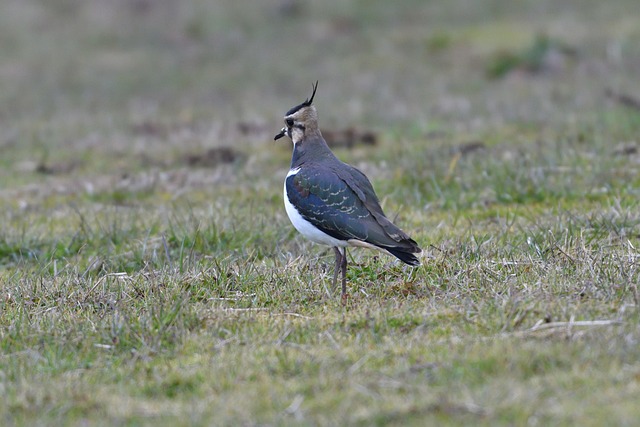
The Lapwing is a striking and elegant wading bird, admired for its shimmering plumage, graceful flight, and distinctive crest. Known for its loud, piercing calls and spectacular aerial displays, the Lapwing is often seen patrolling wetlands, grasslands, agricultural fields, and riverbanks in search of insects and other small creatures. These intelligent and highly protective birds are famous for their fearless defense of their nests, often diving at much larger animals to keep their eggs and chicks safe. With their unique appearance and lively behavior, Lapwings are among the most recognizable birds of open landscapes across Europe, Asia, Africa, and Australia.
Fun Facts
- Lapwings perform spectacular acrobatic flights during courtship, including twists, rolls, and sudden dives.
- Their long crest gives many species a distinctive and elegant appearance.
- Lapwings are extremely protective parents and will boldly attack predators much larger than themselves.
- Some species pretend to have an injured wing to lure predators away from their nests.
- Their loud alarm calls warn not only their own chicks but also other nearby birds of danger.
- Lapwings build simple ground nests that blend perfectly with their surroundings.
- They often forage by walking slowly and stopping frequently to search for insects.
- Many Lapwing species migrate seasonally to warmer regions during winter.
Scientific Information
| Category | Information |
| Common Name | Lapwing |
| Genus | Vanellus |
| Family | Charadriidae |
| Order | Charadriiformes |
| Class | Aves |
| Diet | Insects, worms, beetles, spiders, snails, crustaceans, and seeds |
| Length | 25–38 cm (10–15 inches), depending on the species |
| Weight | 120–330 grams |
| Wingspan | 65–90 cm |
| Lifespan | Around 8–15 years in the wild |
| Habitat | Wetlands, marshes, grasslands, riverbanks, agricultural fields, floodplains, and coastal plains |
| Distribution | Europe, Asia, Africa, and Australia |
Habits & Behavior
Lapwings are active, ground-dwelling birds that spend much of their day walking across open terrain while searching for food. They feed mainly on insects, earthworms, beetles, spiders, snails, and other small invertebrates, although they also eat seeds and plant material when available.
One of the Lapwing’s most remarkable behaviors is its fearless defense of its nesting territory. Since their nests are built directly on the ground, the eggs and chicks are vulnerable to predators. To protect them, adult Lapwings perform dramatic distraction displays, such as pretending to have a broken wing, while also diving and calling loudly to drive away intruders.
During the breeding season, males perform breathtaking aerial courtship displays involving looping flights, steep dives, and graceful glides to attract females. Their loud, repetitive calls are commonly heard across wetlands and open grasslands, especially during territorial disputes.
Lapwings are highly alert and often gather in flocks outside the breeding season. Many species migrate long distances between breeding and wintering grounds, while others remain resident in regions with mild climates.
These birds thrive in open habitats where visibility allows them to detect approaching predators from a distance. Their excellent eyesight, strong flight, and cooperative warning behavior make them highly successful survivors in challenging environments.
With their elegant appearance, striking aerial displays, and remarkable parental dedication, Lapwings are among the most captivating wading birds and play an important role in maintaining the ecological balance of wetlands and grassland ecosystems.