Lynx – The Silent Ghost of the Forest
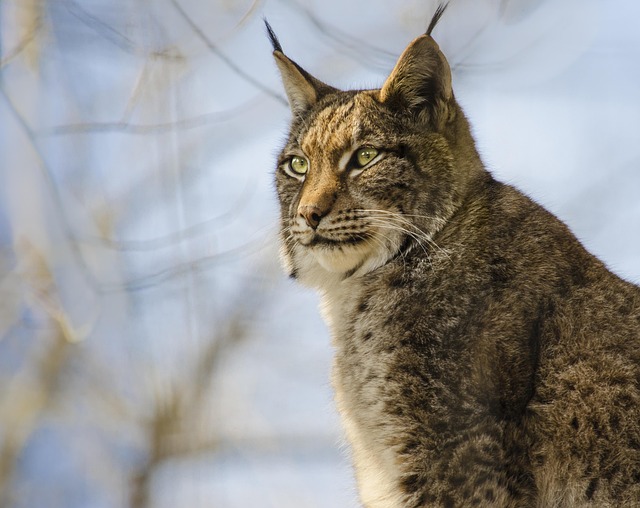
The lynx is one of the most mysterious and beautiful wild cats found across forests, mountains, and snowy wilderness areas of the Northern Hemisphere. Known for its thick fur, short tail, and distinctive tufted ears, this elusive predator moves silently through nature like a shadow. Although rarely seen in the wild, the lynx plays an important role in maintaining balance in forest ecosystems by controlling populations of small animals and deer.
With sharp eyesight, powerful legs, and incredible hunting skills, the lynx is perfectly adapted for survival in cold and rugged environments. Its secretive nature and striking appearance have made it a fascinating animal for wildlife lovers around the world.
Fun Facts
- Lynx have long black tufts of hair on their ears that help improve hearing and communication.
- Their large furry paws act like natural snowshoes, helping them walk easily on deep snow.
- A lynx can leap great distances while hunting prey.
- These wild cats are mostly active during the night and twilight hours.
- There are four main species of lynx found around the world.
- Lynx are excellent climbers and swimmers when necessary.
- The Eurasian lynx is the largest species, while the bobcat is the smallest member of the lynx family.
- Lynx usually live alone except during mating season or when mothers raise their kittens.
Scientific Information
- Scientific Name: Lynx
- Family: Felidae
- Class: Mammalia
- Order: Carnivora
- Average Lifespan: 10–20 years
- Diet: Carnivore
- Habitat: Forests, mountains, tundra, and snowy regions
- Main Prey: Rabbits, hares, rodents, birds, and small deer
Types of Lynx
- Eurasian Lynx
- Canada Lynx
- Iberian Lynx
- Bobcat
Habits & Behavior
Lynx are solitary and territorial animals that prefer quiet and remote habitats. They spend much of their time silently stalking prey through forests or snowy landscapes. Their camouflage fur helps them blend perfectly into their surroundings, making them highly effective hunters.
These cats rely heavily on their excellent hearing and sharp vision to detect movement from long distances. Unlike lions or other social cats, lynx live mostly alone and avoid unnecessary contact with other animals.
Lynx are patient predators. They often wait quietly before making a sudden and powerful attack on prey. Their strong hind legs allow them to jump quickly, while their sharp claws help secure their catch.
During winter, the thick fur of the lynx becomes even denser to protect it from freezing temperatures. They are specially adapted for cold climates and can survive in deep snow where many other predators struggle.
Mother lynx are very protective of their kittens and teach them hunting skills from a young age. Young lynx usually stay with their mother for several months before becoming independent.
The lynx is a fascinating wild cat that represents mystery, strength, and survival in the wilderness. Though rarely seen by humans, it remains one of nature’s most skilled and beautiful predators. Protecting forests and natural habitats is essential to ensuring the future of these remarkable animals for generations to come.