Macaw: The Vibrant Jewel of the Rainforest Skies
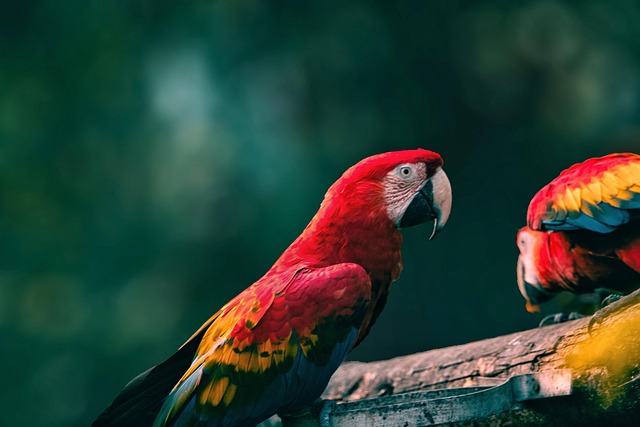
Brilliant, intelligent, and impossible to ignore, macaws are among the most spectacular birds on Earth. With their dazzling feathers, powerful beaks, and expressive personalities, these parrots bring life and color to the tropical forests they call home. Native to Central and South America, macaws are admired not only for their beauty but also for their remarkable intelligence and strong social bonds.
Often seen soaring gracefully above rainforest canopies or communicating with loud, echoing calls, macaws play an important role in maintaining the health of forest ecosystems by spreading seeds. Their striking appearance and lively behavior have made them favorites among bird lovers worldwide.
Fun Facts
- Incredible Colors: Macaws are famous for their vibrant red, blue, green, and yellow feathers that help them blend into colorful rainforest environments.
- Highly Intelligent: These birds can learn tricks, solve puzzles, and even mimic human speech.
- Loyal Partners: Many macaws form lifelong pair bonds and are often seen flying in pairs.
- Powerful Beaks: Their strong beaks can easily crack hard nuts and seeds that other animals cannot open.
- Family-Oriented: Young macaws stay with their parents for extended periods to learn survival skills.
- Long Lifespan: Some macaws can live 40–60 years, and occasionally even longer with excellent care.
Scientific Information
- Common Name: Macaw
- Scientific Group: Macaws belong to a group of large parrots in the family Psittacidae.
- Notable Species: Scarlet Macaw (Ara macao), Blue-and-yellow Macaw (Ara ararauna), Hyacinth Macaw (Anodorhynchus hyacinthinus)
- Animal Class: Aves (Bird)
- Order: Psittaciformes
- Average Length: 30–100 cm (12–40 inches), depending on species
- Weight: 0.9–1.7 kg (2–3.7 pounds)
- Diet: Omnivore — fruits, nuts, seeds, flowers, and occasionally insects
- Habitat: Tropical rainforests, woodlands, and savannas
- Native Region: Central and South America
National Significance: The Scarlet Macaw is the national bird of Honduras, symbolizing the country’s rich biodiversity and natural heritage.
Habits & Behavior
Macaws are extremely social birds that thrive on interaction. In the wild, they often gather in noisy flocks, using loud calls to stay connected with one another across dense forests.
They are strong, agile flyers capable of traveling long distances in search of food. Macaws are also known to visit clay licks — exposed riverbank soils — where they consume mineral-rich clay that helps neutralize toxins from unripe fruits.
These parrots are diurnal, meaning they are active during the day and rest at night. Their intelligence requires constant stimulation, which is why they engage in playful behaviors such as climbing, chewing, and exploring their surroundings.
Macaws also demonstrate impressive problem-solving abilities and emotional awareness, strengthening bonds within their flock and with their lifelong mates.