Markhor: The Majestic Spiral-Horned Guardian of the Mountains
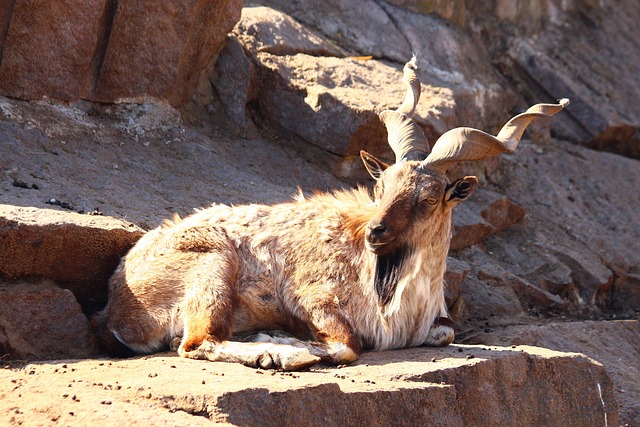
The Markhor is one of the most striking and majestic wild goats in the world, famous for its impressive spiral horns and rugged mountain lifestyle. Found in the highlands of Central and South Asia, this extraordinary animal symbolizes strength, resilience, and natural beauty. Proudly recognized as the national animal of Pakistan, the Markhor holds a special place in the region’s culture and wildlife heritage. Despite living in harsh and rocky terrains, it thrives with remarkable agility and adaptability.
Fun Facts
- The name “Markhor” means “snake eater” in Persian, though it mainly feeds on plants.
- It can climb steep cliffs with incredible ease, escaping predators effortlessly.
- Male Markhors have long, twisted horns that can grow over 5 feet (1.5 meters)!
- They are most active during early morning and late afternoon.
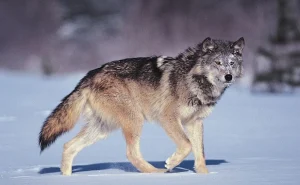
- Natural predators include wolves, snow leopards, and lynxes.
- The Markhor is a conservation success story, as its population has increased in recent years due to protection efforts.
Scientific Information
- Scientific Name: Capra falconeri
- Family: Bovidae
- Order: Artiodactyla
- Class: Mammalia
- Diet: Herbivore
- Lifespan: Around 10–13 years in the wild
- Habitat: Mountain forests, rocky slopes, and scrublands
- Conservation Status: Near Threatened (IUCN)
Habits & Behavior
Markhors are highly adapted to mountainous environments. They are excellent climbers, often found on steep cliffs where few predators can reach. Their strong hooves provide balance and grip on rocky surfaces, allowing them to navigate dangerous terrain with ease.
These animals are generally shy and cautious. Females and young live in small herds, while males tend to be solitary or form small bachelor groups. During the winter mating season, males engage in dramatic battles, locking their spiral horns in contests of strength to win over females.
Markhors are herbivores, feeding on grasses, leaves, and shrubs. In winter, they may even climb trees to browse on leaves and shoots. Their ability to adapt their diet according to the season helps them survive in harsh environments.