Martin: The Graceful Aerial Hunter of the Skies
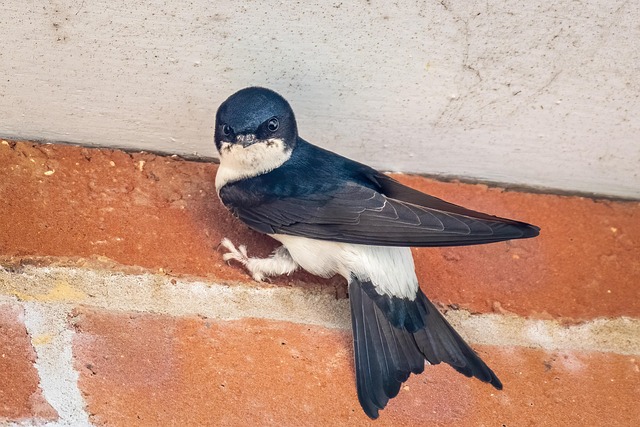
The Martin is a fascinating group of small to medium-sized birds admired for their graceful flight, lively behavior, and remarkable ability to catch insects on the wing. Martins belong to the swallow family and are closely associated with open countryside, wetlands, rivers, towns, and human settlements. Their streamlined bodies and pointed wings allow them to fly swiftly and effortlessly through the air while searching for flying insects.
Martins are highly social birds and are often seen flying together in groups, especially around feeding and nesting areas. Their cheerful calls, aerial acrobatics, and important role in controlling insect populations make them a delightful part of many natural landscapes.
Fun Facts
- Aerial specialists: Martins are excellent fliers and can capture many insects while flying.
- Natural insect controllers: Their diet includes numerous flying insects, helping regulate insect populations.
- Some nest near people: Several martin species readily use buildings, bridges, nest boxes, or other human-made structures.
- Often found near water: Martins frequently forage over rivers, lakes, wetlands, and other open areas where insects are abundant.
- Social birds: Many species gather in groups for feeding, roosting, and migration.
- Long-distance travelers: Migratory martins can travel thousands of kilometers between breeding and wintering areas.
- Built for speed: Their pointed wings and streamlined shape are adaptations for fast, agile flight.
Scientific Information
Martins belong to the swallow family (Hirundinidae), a family that also includes swallows and many other aerial insect-eating birds. Different martin species belong to different genera, so “martin” is a common name rather than the name of a single species.
They generally have compact bodies, long pointed wings, and relatively short bills adapted for catching insects. Their plumage varies considerably among species, with combinations of blue, black, brown, white, and gray being common.
Most martins are primarily insectivorous, feeding on flying insects such as flies, beetles, ants, and other small arthropods. Their aerial feeding technique allows them to exploit insects that are difficult for many other birds to catch.
Habits & Behavior
Martins are energetic and highly maneuverable birds. They spend much of their active time in the air, often flying rapidly over fields, wetlands, water bodies, and settlements while searching for insects.
Many species are gregarious, gathering in flocks during feeding, migration, and at communal roosting sites. During the breeding season, pairs establish nesting territories or join colonies, depending on the species.
Martins construct nests in a variety of locations. Depending on the species, nests may be placed inside cavities, beneath structures, in nest boxes, or attached to buildings and other surfaces. Both parents may participate in nest building and feeding the young.
Migration is another important part of the lives of many martins. They may travel considerable distances between breeding and wintering grounds, relying on favorable weather, abundant food, and suitable resting places along their routes.
With their elegant flight, social nature, and valuable role as natural insect hunters, martins are among the most captivating aerial birds found around the world.