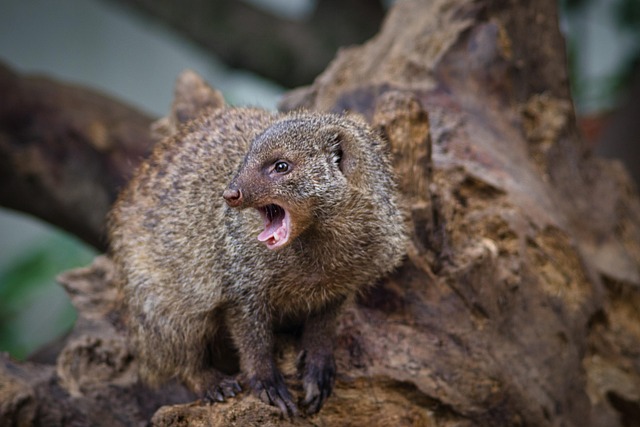
Mongoose: The Fearless Snake Hunter of the Wild
The mongoose is a small yet remarkably brave mammal known for its agility, intelligence, and fearless nature. Found across Africa, Asia, and parts of Southern Europe, mongooses have earned a legendary reputation for their ability to confront and defeat venomous snakes. With their quick reflexes, sharp senses, and social behavior, these fascinating creatures play an important role in maintaining ecological balance. Whether living in grasslands, forests, deserts, or near human settlements, mongooses continue to captivate wildlife enthusiasts around the world.
Fun Facts
Snake Fighters: Mongooses are famous for battling venomous snakes, including cobras, thanks to their speed and partial resistance to certain snake venoms.
Lightning-Fast Reflexes: Their quick movements allow them to dodge snake strikes and catch prey with impressive precision.
Social Animals: Some species live in large family groups, cooperating to find food and protect one another.
Excellent Communicators: Mongooses use a variety of vocalizations, scents, and body language to communicate.
Sunbathers: Many mongooses enjoy basking in the sun to warm up before starting their daily activities.
Many Species: There are over 30 recognized mongoose species, ranging from the tiny dwarf mongoose to the larger white-tailed mongoose.
Scientific Information
| Category | Information |
| Common Name | Mongoose |
| Scientific Family | Herpestidae |
| Order | Carnivora |
| Class | Mammalia |
| Kingdom | Animalia |
| Phylum | Chordata |
| Average Length | 18–75 cm (7–30 inches), depending on species |
| Weight | 0.3–5 kg (0.7–11 lbs) |
| Lifespan | 6–12 years in the wild; longer in captivity |
| Diet | Carnivorous and omnivorous |
| Habitat | Forests, grasslands, deserts, savannas, and scrublands |
| Distribution | Africa, Asia, Southern Europe, and introduced regions |
| Conservation Status | Varies by species |
Habits & Behavior
Active Hunters
Mongooses are primarily diurnal, meaning they are active during the day. They spend much of their time searching for food among vegetation, rocks, and underground burrows.
Diverse Diet
Their diet includes insects, rodents, reptiles, birds, eggs, crabs, fruits, and small mammals. This adaptability helps them survive in various environments.
Fearless Defenders
Mongooses are known for their courage when facing predators. They rely on agility, speed, and intelligence rather than size to defend themselves.
Social Living
Species such as the dwarf mongoose and banded mongoose live in organized groups where members cooperate in raising young, guarding against predators, and locating food.
Burrow Dwellers
Many mongooses use abandoned burrows or dig their own shelters. These underground homes provide protection from predators and harsh weather.
Territorial Nature
Mongooses often mark their territories with scent glands to communicate boundaries and identify group members.
Excellent Senses
Sharp eyesight, hearing, and smell help mongooses detect prey and avoid danger, making them highly effective hunters.
The mongoose is one of nature’s most courageous and adaptable mammals. Renowned for its battles with venomous snakes and its impressive hunting skills, this small carnivore demonstrates that size is not always the key to survival. Its intelligence, social behavior, and ecological importance make the mongoose a truly remarkable animal worthy of admiration and conservation.