Moose – The Gentle Giant of the Northern Wilderness
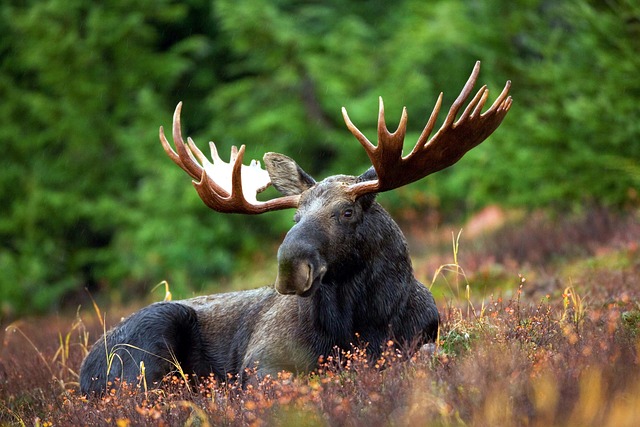
The moose is one of the most impressive and majestic mammals found in the wild. Towering over most other deer species, this gentle giant roams the cold forests, wetlands, and tundra of the Northern Hemisphere. Known for its massive body, long legs, and calm demeanor, the moose is a true symbol of wilderness and strength. Despite its size, the moose moves quietly through forests and shallow waters, living a peaceful yet resilient life close to nature.
Fun Facts About Moose
- Moose are the largest members of the deer family in the world.
- Their long legs help them walk through deep snow and swampy wetlands with ease.
- Moose are excellent swimmers and can swim up to 6 miles (10 km) at a time.
- Male moose grow enormous antlers that can span over 6 feet (1.8 meters).
- Moose can close their nostrils while feeding underwater to eat aquatic plants.
- Despite their calm look, moose can run up to 35 mph (56 km/h) when threatened.
Scientific Information
- Common Name: Moose
- Scientific Name: Alces alces
- Family: Cervidae
- Class: Mammalia
- Order: Artiodactyla
- Average Lifespan: 15–20 years in the wild
- Height: 5–7 feet (1.5–2.1 meters) at the shoulder
- Weight: 400–700 kg (880–1,540 lbs)
Moose are herbivorous mammals specially adapted to cold climates. Their thick fur and long legs help them survive harsh winters, while their strong digestive system allows them to consume a wide variety of plant materials.
Habits & Behavior
Moose are mostly solitary animals, preferring to live alone except during mating season or when females are raising calves. They are most active during early morning and evening hours. Moose spend a large part of their day feeding on leaves, twigs, bark, and aquatic vegetation.
During the mating season (known as the rut), males become more aggressive and use their antlers to compete for females. Female moose are protective mothers and will fiercely defend their calves from predators.
Although generally calm and non-aggressive, moose can become dangerous if startled, threatened, or protecting their young. In the wild, they play a vital role in maintaining forest ecosystems by controlling vegetation growth.