Northern Cardinal – The Crimson Songbird of North America
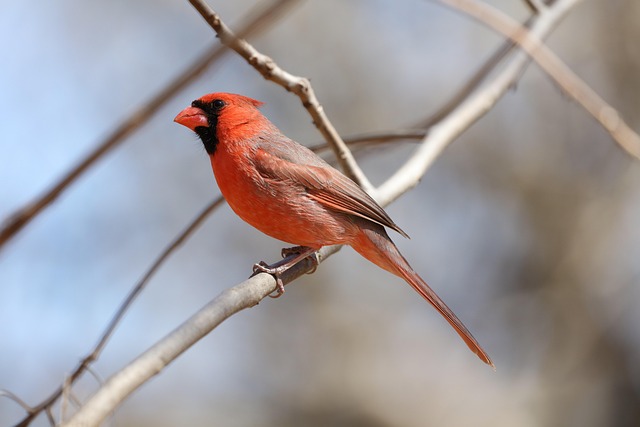
The Northern Cardinal is one of the most striking and beloved birds in North America. With its brilliant red plumage, expressive crest, and clear, whistling song, this bird brings color and music to forests, gardens, and backyards all year round. Unlike many songbirds, the Northern Cardinal does not migrate, making it a constant and cheerful presence in every season. Its beauty, strong voice, and confident nature have made it a true symbol of vitality and grace in the wild.
Fun Facts
- Male Northern Cardinals are bright red, while females are soft brown with red accents.
- Cardinals are non-migratory and stay in the same area year-round.
- Both male and female cardinals sing, which is rare among songbirds.
- The bird’s crest changes position to show mood and alertness.
- Northern Cardinals are popular backyard birds and often visit bird feeders.
- They are the state bird of seven U.S. states.
Scientific Information
- Common Name: Northern Cardinal
- Scientific Name: Cardinalis cardinalis
- Family: Cardinalidae
- Class: Aves
- Order: Passeriformes
- Average Lifespan: 3–5 years in the wild
- Habitat: Woodlands, gardens, shrublands, wetlands
- Diet: Omnivore (seeds, fruits, insects)
Northern Cardinals are medium-sized songbirds known for their strong, clear vocalizations. Their thick, cone-shaped beaks are perfectly designed for cracking seeds, making them highly adaptable to different environments.
Habits & Behavior
Northern Cardinals are territorial birds, especially during the breeding season. Males often sing loudly from high perches to defend their territory and attract mates. These birds are diurnal, meaning they are active during the day.
They are often seen hopping on the ground while foraging for seeds, berries, and insects. During courtship, males may feed females as a bonding behavior. Northern Cardinals form strong pair bonds and often stay together throughout the year.
Although generally calm, cardinals can become aggressive when defending their space—sometimes even attacking their own reflection. Their clear whistles and melodic songs play an important role in communication and make them a favorite among bird lovers and sound enthusiasts.