Nuthatch – The Acrobatic Tree-Climbing Bird of the Forest
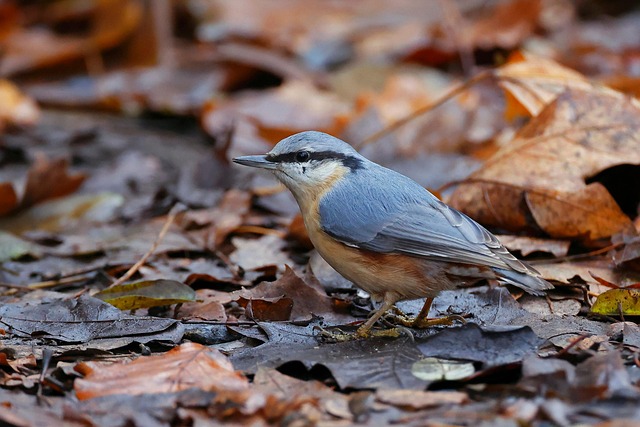
The Nuthatch is a small, energetic songbird best known for its remarkable ability to climb tree trunks headfirst. Unlike woodpeckers, which usually move upward, nuthatches effortlessly travel both up and down bark as they search for insects and seeds hidden in tree crevices. Their agility, sharp bills, and cheerful calls make them a favorite among birdwatchers around the world.
Nuthatches are found across North America, Europe, Asia, and parts of North Africa. They thrive in forests, woodlands, parks, and gardens where mature trees provide plenty of food and nesting sites. Although small in size, these birds are fearless, intelligent, and highly active throughout the year.
Fun Facts
- Nuthatches are one of the few birds that can climb down tree trunks headfirst.
- Their name comes from their habit of wedging large nuts into bark crevices and cracking them open with their strong beaks.
- They feed on insects during warmer months and switch to seeds and nuts during winter.
- Many species readily visit backyard bird feeders, especially for sunflower seeds and peanuts.
- Nuthatches often hide food in bark crevices and remember these hiding places for later.
- Their calls are loud and distinctive, often sounding like nasal “yank-yank” or rapid whistles.
- Most nuthatch species do not migrate long distances and remain in their territories year-round.
- Some species use mud to reduce the entrance size of their nest cavity, helping protect their chicks from predators.
Scientific Information
Common Name: Nuthatch
Scientific Family: Sittidae
Scientific Genus: Sitta
Order: Passeriformes
Class: Aves
Diet: Omnivore
Primary Food: Insects, spiders, beetles, caterpillars, seeds, nuts, acorns, and berries.
Average Length: 10–20 cm (4–8 inches)
Wingspan: 18–30 cm (7–12 inches)
Weight: Approximately 10–45 grams, depending on the species.
Lifespan:
- Wild: 2–7 years on average
- Some individuals can live more than 10 years.
Habitat: Deciduous forests, mixed woodlands, conifer forests, parks, orchards, and suburban gardens.
Conservation Status: Most nuthatch species are classified as Least Concern, although certain localized species face threats from habitat loss and forest degradation.
Habits & Behavior
Nuthatches are active daytime birds that spend much of their time climbing tree trunks and branches in search of insects hiding beneath bark. Their powerful feet and sharp claws allow them to move in any direction, including headfirst down trees—a skill that few other birds possess.
They are highly territorial, especially during the breeding season. Males often sing loudly to defend their nesting areas and attract mates. Nuthatches usually nest in natural tree cavities or abandoned woodpecker holes. Some species cleverly plaster mud around the entrance of their nest to make it smaller and safer from predators.
Their diet changes with the seasons. During spring and summer they mainly consume insects and other small invertebrates, while autumn and winter bring a greater reliance on seeds, nuts, and berries. Nuthatches frequently store food in bark crevices, creating hidden caches that help them survive colder months.
These birds are quick, curious, and often join mixed flocks with chickadees, tits, and woodpeckers during winter. Their loud, nasal calls help members of the flock stay in contact and warn each other of nearby predators.
Despite their small size, nuthatches are bold and energetic birds whose remarkable climbing abilities, intelligence, and adaptability make them one of the most fascinating woodland songbirds in the world.