Pheasant: The Colorful Jewel of the Countryside
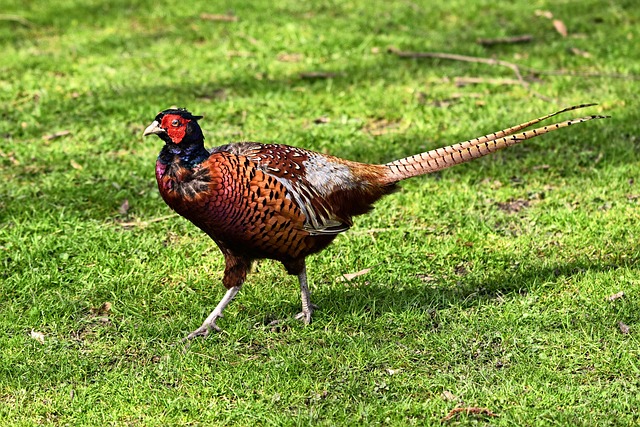
The Pheasant is a striking and elegant bird, admired for its vibrant plumage and graceful presence. Often found in open fields, farmlands, and woodland edges, pheasants are known for their beauty—especially the males, which display brilliant colors and long, flowing tails. These birds are a familiar sight in many parts of the world and are valued both for their natural charm and their role in wildlife ecosystems.
Fun Facts
- Male pheasants are brightly colored, while females are more camouflaged brown.
- Pheasants prefer to run rather than fly, but can burst into rapid flight when startled.
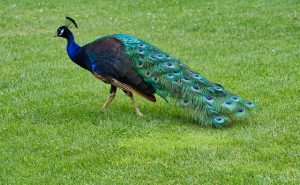
- Some species have long, decorative tail feathers used in displays.
- They produce loud calls, especially during the breeding season.
- Pheasants are often found in farmlands and grassy areas.
- Females lay their eggs in ground nests hidden in vegetation.
Scientific Info
- Family: Phasianidae
- Order: Galliformes (ground-feeding birds)
- Common Species: Common Pheasant
- Habitat: Grasslands, farmland, forest edges
- Diet: Omnivorous (seeds, grains, insects, small animals)
- Lifespan: Around 3–7 years in the wild
Habits & Behavior
Pheasants are primarily ground-dwelling birds, spending most of their time walking, foraging, and hiding in dense vegetation. They are well adapted to life on land, using their strong legs to run quickly when threatened.
During the breeding season, male pheasants become more visible and vocal, performing display behaviors to attract females. These displays often include puffing up their feathers, spreading their tails, and making loud calls.
Pheasants are generally solitary or found in small groups, especially outside the breeding season. They are most active during early morning and late afternoon, when they search for food.
Their natural camouflage and cautious behavior help them avoid predators, making them well-suited to life in open countryside and farmland.