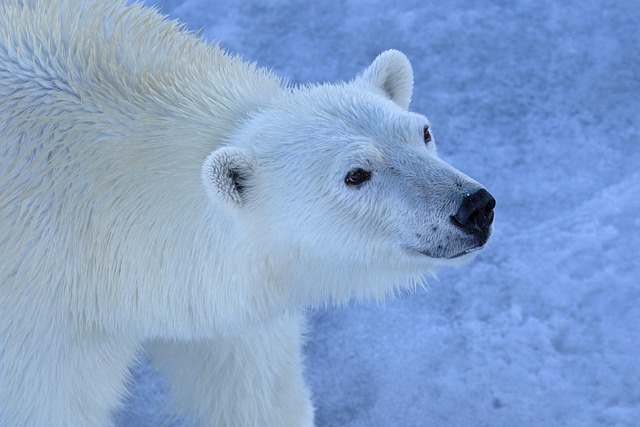
Polar Bear: The Ice King of the Arctic
The polar bear is the largest land carnivore and a powerful symbol of the Arctic wilderness. With its thick white fur and massive build, it is perfectly adapted to survive in freezing temperatures. Living mainly on sea ice, the polar bear plays a vital role in maintaining balance within Arctic ecosystems.
Fun Facts
Polar bears may appear slow and heavy, but they have many surprising abilities. They are strong swimmers, have an excellent sense of smell, and can travel long distances in search of food. Exploring fun facts about polar bears reveals how well they are adapted to one of the harshest environments on Earth.
Scientific Information
From a scientific perspective, polar bears belong to the bear family, Ursidae, and are closely related to brown bears. Their thick layer of blubber, dense fur, and specialized metabolism help them survive extreme cold. Scientists study polar bears to understand climate change and its impact on Arctic wildlife.
Habits & Behavior
Polar bears are mostly solitary animals that spend much of their time hunting seals on sea ice. They follow seasonal movement patterns based on ice conditions and food availability. Their behavior, including patience during hunts and long periods of fasting, shows remarkable adaptation to Arctic life.