Porcupine: Nature’s Quiet Defender in a Coat of Quills
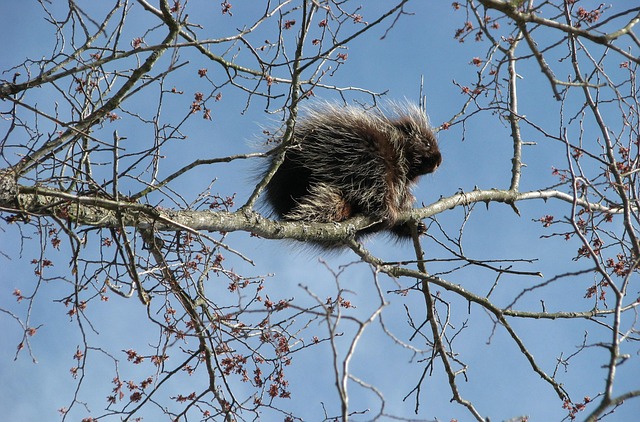
The Porcupine is one of nature’s most fascinating and misunderstood creatures. Known for its coat of sharp quills, this gentle, slow-moving animal prefers peace over conflict. Found across forests, grasslands, and even deserts, porcupines play an important role in maintaining ecological balance. Despite their intimidating appearance, they are shy herbivores that spend much of their time quietly foraging or resting in trees or burrows.
Fun Facts
- Porcupines cannot “shoot” their quills—they detach easily when touched.
- A baby porcupine is called a porcupette, and its quills are soft at birth.
- There are over 25 species of porcupines around the world.
- Some porcupines are excellent climbers and spend most of their lives in trees.
- Their teeth never stop growing, similar to other rodents.
- Porcupines love salt and may chew on tools, wood, or even vehicle tires to get it!
Scientific Information
- Kingdom: Animalia
- Phylum: Chordata
- Class: Mammalia
- Order: Rodentia
Porcupines are divided into two main families:
- Old World porcupines (family Hystricidae)
- New World porcupines (family Erethizontidae)
- They are herbivores, feeding on leaves, bark, fruits, and plants.
- Their quills are modified hairs made of keratin, the same material as human nails.
- Average lifespan: 5–7 years in the wild, longer in captivity.
Habits & Behavior
- Porcupines are mostly nocturnal, becoming active at night.
- They are solitary animals, usually living alone except during mating season.
- When threatened, they raise their quills, hiss, and may back into predators to defend themselves.
- New World porcupines are skilled climbers, while Old World species are mainly ground dwellers.
- They communicate through sounds like grunts, whines, and teeth chattering.
- Porcupines often return to the same feeding and resting areas, creating well-used trails.