Reindeer: The Majestic Wanderers of the Arctic
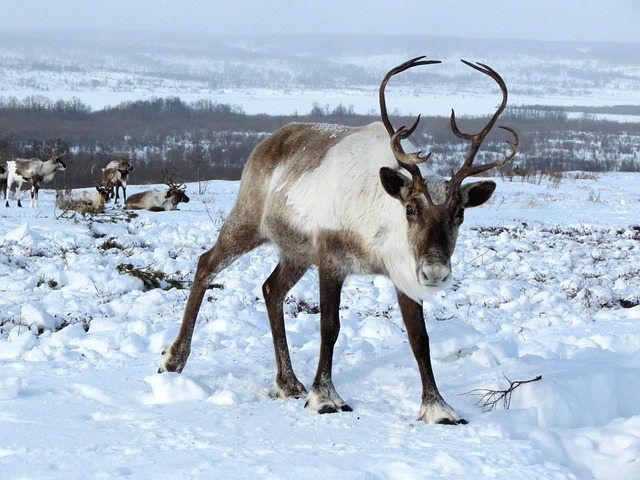
Reindeer, also known as caribou in North America, are remarkable Arctic and sub-Arctic mammals famous for their majestic antlers and ability to survive in extreme cold. They play a vital role in the cultures, ecosystems, and livelihoods of northern communities. Adapted to snowy landscapes and long migrations, reindeer are a symbol of resilience and endurance in some of the harshest environments on Earth.
Fun Facts
Reindeer are full of fascinating surprises. They can see ultraviolet light, allowing them to spot food in snowy landscapes, and their hooves change with the seasons to help them walk on ice or soft tundra. Exploring fun facts about reindeer reveals just how well these animals are suited to life in the far north.
Scientific Information
From a scientific standpoint, reindeer belong to the deer family, Cervidae, and are one of the few deer species where both males and females grow antlers. Their thick fur, specialized hooves, and metabolic adaptations allow them to thrive in freezing temperatures. Scientists study reindeer to understand evolution, migration patterns, and adaptation to Arctic conditions.
Habits & Behavior
Reindeer are social animals that often travel in large herds, especially during migration. They feed on lichens, mosses, and other tundra vegetation, and their seasonal movements help them find food and escape predators. Observing their habits and behavior reveals remarkable teamwork, endurance, and strategies for surviving in extreme environments.