Sandpiper Bird: Graceful Shorebird with Incredible Migration
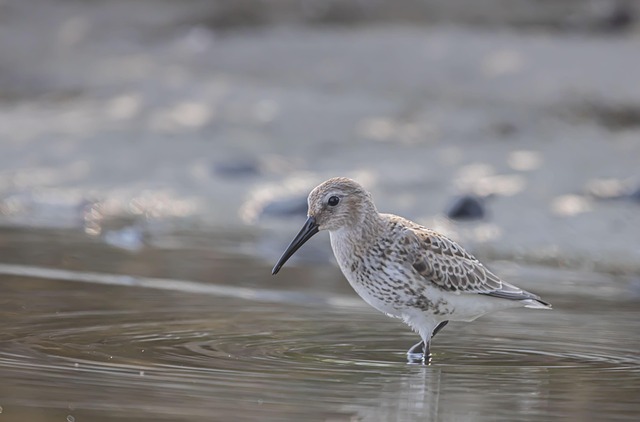
The Sandpiper is a graceful and energetic shorebird known for its slender bill, long legs, and quick, darting movements along beaches, riverbanks, mudflats, and wetlands. Belonging to the family Scolopacidae, sandpipers are found on every continent except Antarctica and are among the world’s most remarkable migratory birds.
There are more than 90 species of sandpipers, ranging from tiny species like the Least Sandpiper to larger birds such as the Common Greenshank. These birds play an important role in wetland ecosystems by feeding on insects, worms, crustaceans, and other small aquatic creatures. Their constant foraging and elegant behavior make them a favorite among birdwatchers and nature photographers.
Whether seen running along the shoreline with retreating waves or resting during long migrations, sandpipers are a wonderful symbol of healthy coastal and freshwater habitats.
Fun Facts
- There are over 90 species of sandpipers worldwide.
- Many sandpipers undertake incredible migrations, traveling thousands of kilometers between their breeding and wintering grounds.
- Sandpipers often run back and forth with ocean waves while searching for food.
- Their long, sensitive bills help them detect worms, insects, and tiny crustaceans hidden beneath sand and mud.
- Some sandpipers can fly non-stop for several days during migration.
- Many species change from colorful breeding plumage to more subdued non-breeding feathers each year.
- Outside the breeding season, sandpipers often gather in large flocks for protection and feeding.
- Healthy wetlands are essential for the survival of many migratory sandpiper species.
Scientific Information
Common Name: Sandpiper
Scientific Family: Scolopacidae
Representative Species: Actitis hypoleucos (Common Sandpiper)
Order: Charadriiformes
Class: Aves
Diet: Carnivore (insects, worms, spiders, mollusks, crustaceans, aquatic larvae, and other small invertebrates)
Average Length: 14–30 cm (5.5–12 inches), depending on the species
Wingspan: 30–55 cm (12–22 inches)
Weight: 20–200 grams, depending on the species
Lifespan: Typically 5–10 years, with some species living much longer
Habitat: Beaches, mudflats, estuaries, rivers, lakeshores, marshes, wetlands, and coastal habitats
Distribution: Found worldwide on every continent except Antarctica
Migration: Most species are long-distance migratory birds.
Conservation Status: Varies by species; many are listed as Least Concern, while others are Near Threatened or Vulnerable due to habitat loss.
Habits & Behavior
Sandpipers are active and agile birds that spend much of their day searching for food along shorelines and shallow water. They use their slender bills to probe wet sand and mud for insects, worms, tiny crabs, mollusks, and other small aquatic animals. Many species also chase prey across beaches with quick, graceful movements.
Most sandpipers are highly migratory, breeding in northern regions during the summer and traveling to warmer coastal areas during winter. Their migrations can span thousands of kilometers, making them among the most impressive long-distance travelers in the bird world. During migration, they depend on healthy wetlands and estuaries to rest and refuel.
Outside the breeding season, many sandpipers gather in flocks, providing greater protection from predators and improving their chances of finding food. During breeding, however, many species become territorial and perform beautiful aerial displays, vocal calls, and courtship flights to attract mates.
Sandpipers communicate using a variety of whistles, trills, and soft calls, especially while flying or maintaining contact with their flock. Their alert behavior, exceptional endurance, and dependence on healthy wetlands make them important indicators of ecosystem health and valuable members of coastal and freshwater environments.