Seagull Sound – Real Calls and Squawks
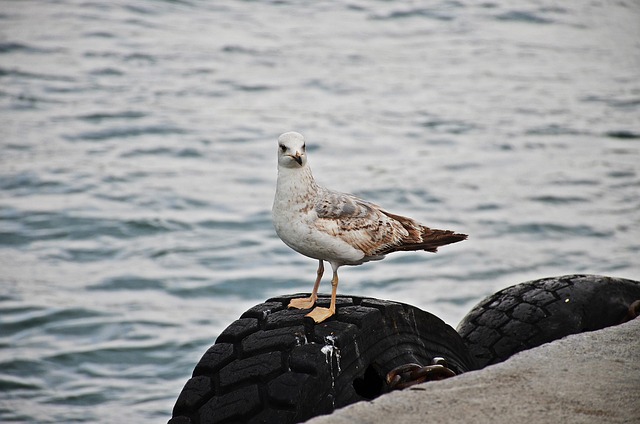
Seagulls are coastal and marine birds known for their striking white and gray plumage and long, slender wings. They are highly adaptable and can be found near oceans, lakes, rivers, and even inland areas. Seagulls are opportunistic feeders, often scavenging for food and displaying remarkable intelligence when searching for meals. Their distinctive calls are a familiar sound along beaches and harbors around the world.
Fun Facts About Seagulls
- Seagulls are highly social birds and often gather in large colonies.
- They have a diverse diet, including fish, insects, small animals, and human food scraps.
- Seagulls are known to use tools, like dropping shellfish on rocks to crack them open.
- They can drink both freshwater and seawater, thanks to special salt glands.
- Their loud, raucous calls serve multiple purposes: communication, alerting danger, or claiming territory.
- Seagulls can fly long distances during migration, sometimes hundreds of miles.
Scientific Information
- Common Name: Seagull
- Scientific Name: Larus (genus)
- Family: Laridae
- Class: Aves
- Order: Charadriiformes
- Diet: Omnivore (fish, insects, scraps)
- Lifespan: 10–25 years (depending on species)
Habits & Behavior
Seagulls are diurnal birds, active during the day. They are highly social and often nest in large groups on cliffs, islands, or rooftops near water. Seagulls are excellent flyers and can hover, glide, and perform agile aerial maneuvers. They communicate using a variety of calls: high-pitched squawks signal alarm, while repetitive cries help maintain group cohesion. Seagulls are also opportunistic feeders, known to steal food from other birds or forage near human settlements.