Skunk – Nature’s Striped Defender
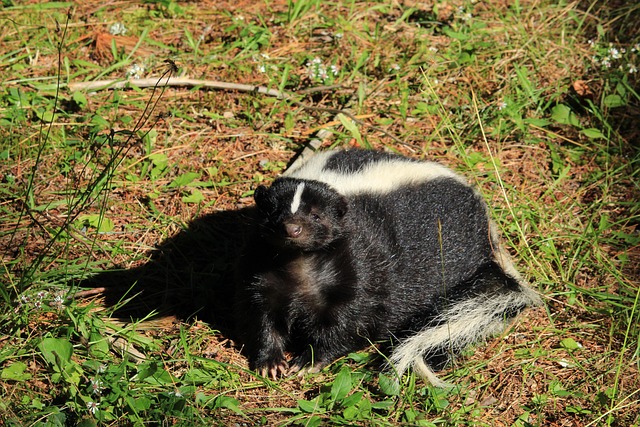
The Skunk is a small but fascinating mammal, instantly recognizable for its distinctive black-and-white stripes and notorious defensive spray. Despite their reputation, skunks are generally gentle, shy, and mostly nocturnal, making them intriguing creatures of forests, grasslands, and even urban areas. These little mammals are a symbol of self-defense, caution, and survival, using their unique abilities to thrive in diverse habitats.
Fun Facts
- Skunks can spray up to 10 feet with a powerful, smelly liquid to deter predators.
- Their spray is so potent that it can cause temporary blindness and nausea in attackers.
- Skunks are excellent diggers and often dig for insects, grubs, and roots.
- They are surprisingly good swimmers and climbers despite their clumsy appearance.
- Skunks have a strong sense of smell and hearing, but their eyesight is relatively poor.
Scientific Information
- Common Name: Skunk
- Scientific Family: Mephitidae
- Class: Mammalia
- Order: Carnivora
- Species: About 10 species, including the Striped Skunk, Spotted Skunk, and Hooded Skunk
- Diet: Omnivorous – insects, small mammals, fruits, berries, and plants
- Average Lifespan: 2–4 years in the wild, up to 10 years in captivity
- Size: 40–70 cm in length (not including tail), weighing 1–10 kg depending on species
The skunk’s iconic black-and-white pattern is an example of aposematic coloration, warning predators of their defensive spray.
Habits & Behavior
Skunks are mostly nocturnal, preferring to hunt and forage at night. They are solitary animals, except during mating season or when mothers care for their young.
- Diet & Foraging: Omnivorous, eating insects, rodents, eggs, fruits, and plants
- Defense Mechanism: Can spray a highly odorous liquid from anal glands as a last resort
- Shelter: Dens in burrows, hollow logs, or abandoned buildings
- Social Behavior: Generally solitary; mothers are protective of kits for about 2–3 months
Skunks are important for ecosystems, controlling insect populations and dispersing seeds through their diet.
Skunk as a National Animal
The skunk is not designated as a national animal in any country, but it is closely associated with North America, especially the United States and Canada, where it has become a cultural symbol of cleverness, caution, and unique wildlife.