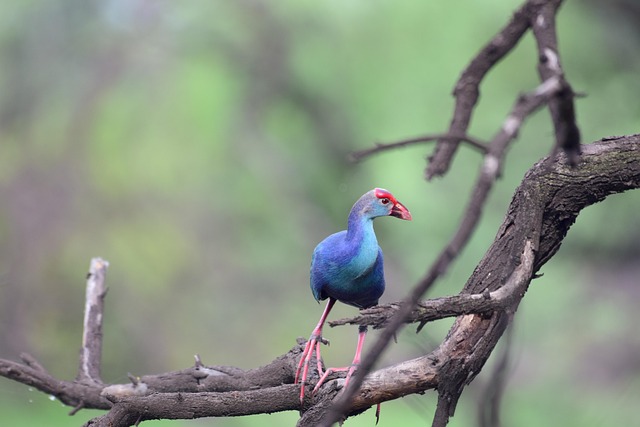
Swamphen: The Bold and Beautiful Guardian of the Wetlands
The Swamphen is a striking wetland bird known for its brilliant blue-purple plumage, bright red bill, long reddish legs, and confident personality. Belonging to the rail family (Rallidae), swamphens are closely associated with marshes, swamps, lakes, rivers, reed beds, and other wetlands rich in aquatic vegetation.
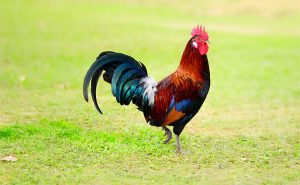
Although they may look somewhat like oversized chickens, swamphens are highly adapted to life around water. They are excellent swimmers and capable walkers, often moving through dense vegetation in search of food. They usually prefer running or swimming to flying, and their somewhat awkward flight is used mainly when necessary.
The name “Swamphen” can refer to several closely related species and taxonomic groups. In modern eBird/Clements taxonomy, the former broad Purple Swamphen complex has been divided into several species, including the Gray-headed Swamphen (Porphyrio poliocephalus), which is particularly relevant to South Asia.
Fun Facts
- A colorful wetland bird: Swamphens can display beautiful shades of blue, purple, green, and black, complemented by a vivid red bill and frontal shield.
- Long legs for walking: Their long, strong legs help them move through marsh vegetation and shallow water.
- Plant lovers—but not vegetarian: Swamphens eat a wide variety of vegetation, but they can also prey on insects, snails, fish, eggs, young birds, and other small animals.
- Cooperative parents: In some populations, several adults—including non-breeding helpers—may cooperate in raising chicks.
- A remarkable warning signal: Swamphens can rapidly flick their tails, exposing their conspicuous white undertail feathers when they detect a predator.
- They can be surprisingly aggressive: Swamphens may defend their territory and even confront potential predators.
- Running is often preferred: Despite having wings, they frequently choose to run or swim rather than fly.
- Wetland specialists: They thrive in habitats with reeds, sedges, rushes, and other emergent vegetation.
Scientific Information
Common Name: Swamphen / Purple Swamphen
Scientific Name: Porphyrio spp.
Family: Rallidae
Order: Gruiformes
Class: Aves
Type: Wetland bird / Water-associated bird
Diet: Omnivorous
Habitat: Marshes, swamps, lakes, rivers, reed beds, and other wetlands
Swamphens belong to the rail family, Rallidae, which also includes rails, crakes, moorhens, and coots. The traditional scientific name Porphyrio porphyrio has historically been used for the Purple Swamphen complex, but modern taxonomic treatments recognize several species within this group.
The birds are generally large for members of the rail family. The traditional Purple Swamphen description gives an average length of around 51 cm, with males averaging about 1,050 g and females about 850 g, although size and appearance vary among species and populations.
Their powerful bills are useful for tearing vegetation and handling food, while their long toes help them walk across floating vegetation and muddy wetland surfaces.
Habits & Behavior
Feeding Behavior
Swamphens are omnivores with a remarkably flexible diet. They feed heavily on plant material such as shoots, leaves, roots, bulbs, reeds, and other marsh vegetation. They also consume insects, snails, other invertebrates, and occasionally fish, amphibians, reptiles, eggs, and young birds.
They may sometimes hold food with their feet while eating, an unusual behavior that makes them especially interesting to observe.
Social Life
Swamphens can be territorial, but some populations form stable social groups. In cooperative breeding groups, several birds may participate in nest defense, incubation, feeding, and protection of young. Young birds from previous breeding seasons can also help raise younger chicks.
Breeding
Breeding behavior varies among populations. Some swamphens form monogamous pairs, while others have more complex communal breeding systems involving several males, females, and helpers.
Nests are generally constructed from grasses, reeds, sedges, and other wetland vegetation, often positioned among dense plants close to water. Traditional studies of the Purple Swamphen report approximately 3–6 eggs per female, with incubation lasting around 23–29 days.
Communication
Swamphens communicate through a combination of vocal and visual signals. Their calls can include loud warning or alarm sounds, while courtship involves distinctive vocalizations and body displays. Their conspicuous white undertail feathers also play an important role in visual signaling.
Defense and Territorial Behavior
Despite their peaceful appearance, swamphens can be bold and aggressive when defending themselves, their territory, or their young. Groups may mob predators, using loud calls, wing movements, and coordinated attacks.
Flight
Swamphens are capable of flight but are generally more comfortable walking and swimming. Their takeoffs can appear clumsy, with their long legs trailing behind them. They typically fly when they need to escape danger or move between suitable areas rather than as their primary means of travel.
A Fascinating Bird of the Wetlands
With its vivid colors, powerful personality, unusual feeding habits, and complex social behavior, the Swamphen is one of the most fascinating birds found in wetland environments. Whether quietly feeding among reeds, calling loudly to warn its companions, or boldly defending its territory, this remarkable bird demonstrates how adaptable and resourceful wetland birds can be.
Swamphens are more than just beautiful birds—they are active, intelligent, and important members of the wetland ecosystem.