Thrush: The Melodic Forest Singer of Woods and Gardens
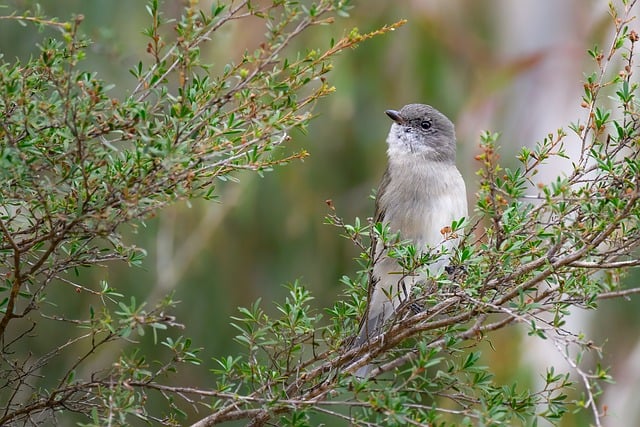
Thrushes are graceful songbirds known for their rich, flute-like melodies that often echo through forests, gardens, and countryside landscapes. Found across Europe, Asia, Africa, and the Americas, these birds are admired for both their beauty and their enchanting songs. With their spotted chests, slender bodies, and alert behavior, thrushes are a familiar sight in wooded areas and open habitats. Many species are skilled singers, especially at dawn and dusk, making them one of the most cherished groups of songbirds in the natural world.
Fun Facts
- Thrushes are famous for their complex and musical songs, often repeated in phrases.
- Many species sing most actively during early morning and late evening.
- The Song Thrush is known for repeating each phrase two or more times.
- Some thrush species can mimic sounds from their environment.
- They are highly territorial during the breeding season.
- Thrushes are important seed dispersers in forests.
- Many species migrate long distances between breeding and wintering grounds.
- Their spotted chest pattern helps with camouflage among forest shadows.
Scientific Information
Common Name: Thrush
Family: Turdidae
Order: Passeriformes
Class: Aves
Diet: Omnivorous (insects, worms, berries, fruits, snails)
Average Length: 20–30 cm (8–12 inches)
Average Weight: 50–150 grams
Wingspan: 30–45 cm
Lifespan: 2–10 years (varies by species)
Habitat: Forests, woodlands, gardens, parks, shrublands, and grasslands
Distribution: Worldwide (varies by species)
Habits & Behavior
Thrushes are active and adaptable birds that spend much of their time foraging on the ground. They feed on insects, worms, snails, and a wide variety of fruits and berries. One of their unique feeding behaviors is using stones or hard surfaces as “anvils” to break open snail shells.
During the breeding season, male thrushes become highly territorial and sing loudly to defend their nesting areas. Nests are typically built in trees, shrubs, or dense vegetation using grass, twigs, and mud for support.
Thrushes are generally solitary outside the breeding season, although they may gather in small groups during migration or in areas with abundant food. Many species are strong migrators, traveling long distances between breeding and wintering habitats.
Their beautiful songs play an important role in communication, territory defense, and attracting mates. With their melodic voice, ecological importance, and widespread presence, thrushes are among the most admired songbirds in the world.