Treepie – The Intelligent Forest Bird with a Long Tail and Striking Colors
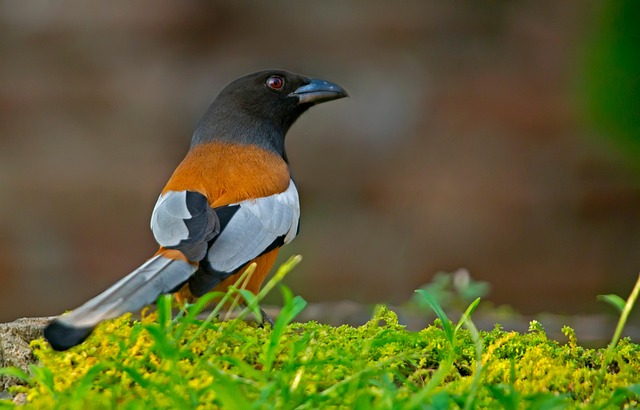
The Treepie is a beautiful and highly intelligent bird belonging to the crow family. Recognized by its long graduated tail, striking plumage, and loud, varied calls, the treepie is a fascinating resident of forests, woodlands, gardens, and rural landscapes across Asia. Agile and curious, it spends much of its time hopping among branches in search of food, often displaying remarkable problem-solving skills.
Several species of treepies exist, with the Rufous Treepie (Dendrocitta vagabunda) being one of the most well-known. Their rich chestnut body, black head, gray neck, and long black-and-white tail make them easy to identify. Treepies are admired not only for their attractive appearance but also for their adaptability and important role in maintaining healthy ecosystems.
Fun Facts
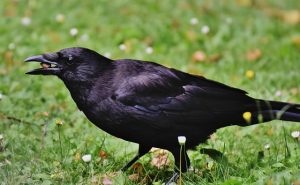
- Treepies belong to the crow and raven family (Corvidae), one of the most intelligent bird families.
- The Rufous Treepie is commonly called the “tree crow” because of its close relationship with crows.
- Treepies can imitate a variety of sounds and possess a wide range of calls.
- They are highly curious and often investigate unfamiliar objects in their environment.
- Their long tail helps them maintain excellent balance while moving through tree branches.
- Treepies are omnivores, feeding on fruits, insects, small reptiles, eggs, nectar, and even human food scraps.
- They help disperse seeds by eating fruits, contributing to forest regeneration.
- Some treepie species are frequently seen near villages, temples, and parks where food is abundant.
Scientific Information
| Category | Information |
| Common Name | Treepie |
| Family | Corvidae |
| Order | Passeriformes |
| Class | Aves |
| Scientific Genus | Dendrocitta |
| Well-known Species | Rufous Treepie (Dendrocitta vagabunda) |
| Size | 45–50 cm (18–20 in) |
| Weight | 90–140 g |
| Diet | Fruits, insects, seeds, nectar, eggs, small reptiles, carrion |
| Lifespan | Approximately 10–15 years |
| Habitat | Forests, woodlands, scrublands, gardens, plantations, rural areas |
| Distribution | South Asia and Southeast Asia |
| Conservation Status | Most species, including the Rufous Treepie, are Least Concern (IUCN) |
Habits & Behavior
Treepies are active and energetic birds that spend most of their day moving through the tree canopy. They hop and glide gracefully from branch to branch, using their long tails for balance and maneuverability.
These birds are highly intelligent and curious. They frequently inspect new objects and quickly learn where reliable food sources can be found. Treepies are often seen alone, in pairs, or in small family groups, though they may also join mixed-species flocks while foraging.
As omnivores, treepies have a remarkably varied diet. They eat fruits, berries, seeds, insects, spiders, nectar, small reptiles, bird eggs, nestlings, and occasionally carrion. Their flexible feeding habits allow them to thrive in both natural forests and human-modified environments.
During the breeding season, treepies build neat cup-shaped nests high in trees using twigs, grasses, and roots. Both parents cooperate in raising their chicks, protecting the nest and feeding the young until they are ready to fly.
Treepies communicate with a wide variety of loud whistles, harsh calls, chattering notes, and mimicry. Their vocal versatility helps maintain contact with family members and warn others of potential danger.
Intelligent, adaptable, and visually striking, treepies are among the most fascinating members of the crow family. Their colorful plumage, playful behavior, and important ecological role make them a favorite among birdwatchers and nature enthusiasts across Asia.