Vulture: Nature’s Silent Clean-Up Crew of the Skies
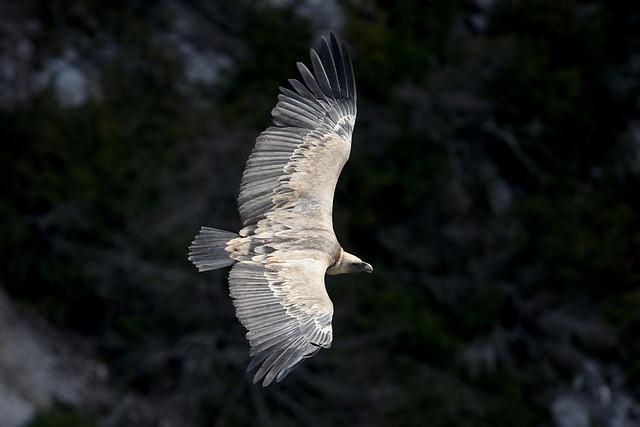
The Vulture is one of nature’s most important yet misunderstood birds. Known for its scavenging lifestyle, this powerful bird plays a crucial role in maintaining ecological balance by feeding on dead animals. Found across various continents, vultures are nature’s cleanup experts, preventing the spread of disease in the wild. With their sharp eyesight, strong beaks, and incredible ability to soar for long hours, vultures are perfectly adapted for life in the open skies.
Fun Facts
- Vultures have one of the strongest stomach acids in the animal kingdom, allowing them to safely digest decaying meat.
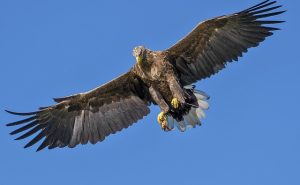
- They can soar for hours without flapping their wings, using thermal air currents.
- Contrary to popular belief, vultures are not hunters—they only eat dead animals.
- Some vultures can spot carrion from several kilometers away.
- They help prevent the spread of dangerous diseases by cleaning up carcasses.
- Many species urinate on their legs to cool themselves and kill bacteria.
- Vultures are highly social and often feed in groups.
Scientific Information
| Category | Information |
| Common Name | Vulture |
| Scientific Name | Family varies (e.g., Accipitridae, Cathartidae) |
| Class | Aves |
| Order | Accipitriformes / Cathartiformes (depending on species) |
| Habitat | Open plains, mountains, savannas, deserts |
| Diet | Carrion (dead animals) |
| Wingspan | 1.5–3.2 meters (varies by species) |
| Weight | 0.85–12 kg (varies by species) |
| Lifespan | 10–30 years depending on species |
| Conservation Status | Several species are threatened or endangered |
Habits & Behavior
Vultures are scavenger birds that primarily feed on dead and decaying animals. They use their excellent eyesight—and in some species, a strong sense of smell—to locate carcasses from great distances. Once food is found, vultures often gather in groups, where larger species dominate feeding areas.
They are masters of soaring flight, using warm air currents to stay aloft for hours without expending much energy. This allows them to cover vast territories while searching for food.
Vultures are highly social birds and often roost in large colonies. During breeding season, they nest on cliffs, tall trees, or rocky ledges, laying one or two eggs per season. Both parents take part in raising the chicks.
Despite their important ecological role, vultures are often threatened by habitat loss, poisoning, and declining food availability in many regions. However, they remain one of the most essential birds in maintaining a healthy ecosystem.