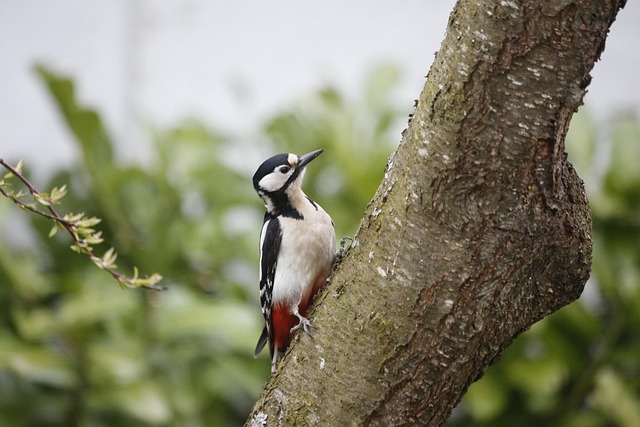
The Woodpecker: Nature’s Master Carpenter of the Forest
The Woodpecker is one of the most fascinating birds in the natural world, famous for its rhythmic drumming on tree trunks. Found across forests, woodlands, and even urban areas worldwide, woodpeckers play a vital role in maintaining healthy ecosystems. Their unique ability to peck into wood without harming themselves makes them true wonders of evolution. With vibrant colors, strong beaks, and incredible climbing skills, woodpeckers are a delight for bird lovers and nature enthusiasts alike.
Scientific Information
- Kingdom: Animalia
- Phylum: Chordata
- Class: Aves
- Order: Piciformes
- Family: Picidae
- Common Name: Woodpecker
There are over 200 species of woodpeckers found around the world, except in regions like Australia, Madagascar, and the polar areas.
Types of Woodpeckers
Woodpeckers come in a wide variety of species, each with unique characteristics. Some popular ones include:
- Pileated Woodpecker – One of the largest and most striking species
- Downy Woodpecker – Small, common, and easy to spot
- Great Spotted Woodpecker – Found across Europe and Asia
- Acorn Woodpecker – Known for storing acorns in tree holes
- Black-rumped Flameback – Common in the Indian subcontinent, including Bangladesh
This diversity makes woodpeckers one of the most interesting bird groups to study and observe.
Fun Facts
- Woodpeckers can peck up to 20 times per second without getting brain damage!
- Their tongues can be longer than their beaks and wrap around their skulls.
- They use drumming not just for food, but also to communicate and attract mates.
- Some species store food like acorns for future use.
- Woodpeckers have shock-absorbing skulls, acting like natural helmets.
Habits & Behavior
Woodpeckers are highly specialized birds with unique daily habits:
Drumming & Pecking
They peck tree trunks to:
- Find insects hidden under bark
- Create nesting cavities
- Communicate with other woodpeckers
Feeding
Most woodpeckers are insectivores, feeding on ants, beetles, and larvae. Some also eat:
- Fruits
- Nuts
- Tree sap
Climbing Ability
They have:
- Strong claws
- Stiff tail feathers for support
This allows them to cling vertically to tree trunks with ease.
Nesting
- They carve holes in trees to build nests
- These holes are later used by other birds and animals, making them important for biodiversity
Communication
Instead of singing like many birds, woodpeckers often use drumming sounds to communicate territory and attract mates.
Why Woodpeckers Are Important
Woodpeckers are often called “ecosystem engineers” because they:
- Control insect populations
- Create nesting spaces for other animals
- Help maintain forest health