Woodswallow – Bird Facts, Sound, Habitat & Behavior
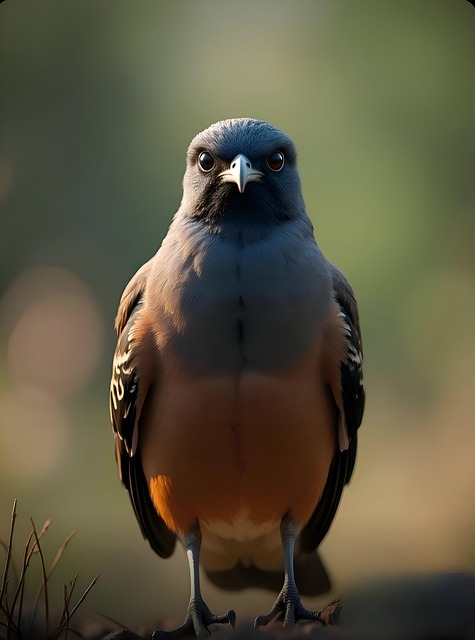
The Woodswallow is a graceful and highly social bird known for its sleek body, pointed wings, and agile flight. Despite its name, the Woodswallow is not a true swallow but belongs to its own unique bird family. These birds are often seen perched together on tree branches or power lines before taking to the sky in search of flying insects. Found across Australia, Southeast Asia, and nearby islands, Woodswallows are admired for their cooperative nature, striking plumage, and remarkable aerial hunting skills. Their soft calls and elegant flight make them a favorite among birdwatchers and nature enthusiasts.
Fun Facts
- Woodswallows are not true swallows despite their similar appearance and flying style.
- They often huddle closely together while resting, especially during cool weather.
- Most species are expert aerial insect hunters, catching insects in mid-flight.
- Woodswallows are highly social birds, frequently seen in flocks of dozens or even hundreds.
- They have a brush-tipped tongue, allowing them to feed on nectar in addition to insects.
- Some species migrate or move seasonally in response to rainfall and food availability.
- They are excellent flyers, capable of swift, agile movements while chasing insects.
Scientific Information
| Category | Information |
| Common Name | Woodswallow |
| Scientific Family | Artamidae |
| Representative Genus | Artamus |
| Order | Passeriformes |
| Class | Aves |
| Diet | Insects, nectar, small fruits, and occasionally seeds |
| Size | 15–20 cm (6–8 inches), depending on species |
| Weight | 20–50 g |
| Lifespan | Around 6–10 years in the wild |
| Habitat | Open woodlands, forests, savannas, grasslands, farmland, and urban parks |
| Distribution | Australia, Southeast Asia, New Guinea, and Pacific Islands |
| Conservation Status | Most species are Least Concern (IUCN) |
Habits & Behavior
Social Lifestyle
Woodswallows are among the most social birds in their family. They often gather in flocks, roost together, and cooperate while searching for food. Their close-knit behavior helps protect them from predators and harsh weather.
Feeding Habits
These birds primarily feed on flying insects such as flies, beetles, ants, termites, and moths. They perform graceful aerial maneuvers to catch prey in flight. Some species also visit flowering trees to drink nectar using their specialized brush-tipped tongues.
Flight
Woodswallows are strong, agile fliers with long, pointed wings. They spend much of their time gliding or swooping through the air while hunting insects.
Breeding
Most Woodswallows breed during seasons when insects are abundant. They build simple cup-shaped nests in tree branches or shrubs. Both parents usually share incubation duties and care for the chicks until they fledge.
Communication
They communicate using soft chirps, whistles, and twittering calls. These vocalizations help maintain contact within flocks and alert others to potential danger.
Habitat Preference
Woodswallows thrive in open forests, woodland edges, savannas, and grasslands where insects are plentiful. Some species have adapted well to agricultural areas and parks.
Conservation
Most Woodswallow species have stable populations and are currently listed as Least Concern. However, habitat destruction, land clearing, and climate change may affect some local populations. Conserving natural woodlands and maintaining healthy ecosystems help ensure these fascinating birds continue to flourish.