Parrots are some of the most eye-catching and clever birds in the natural world. Famous for their vivid feathers, lively behavior, and talent for copying sounds, parrots have amazed humans for generations. There are over 390 known parrot species, mostly living in tropical and warm regions. Whether found in dense rainforests or open grasslands, parrots add beauty to nature while also supporting healthy ecosystems.
What truly sets parrots apart is their high level of intelligence. Many parrots can learn tricks, solve simple problems, and imitate human voices with surprising accuracy. Research shows that parrots have advanced brain areas that support memory, learning, and decision-making. Because of this, species like the African Grey are known to understand words, follow instructions, and respond thoughtfully rather than just copying sounds.
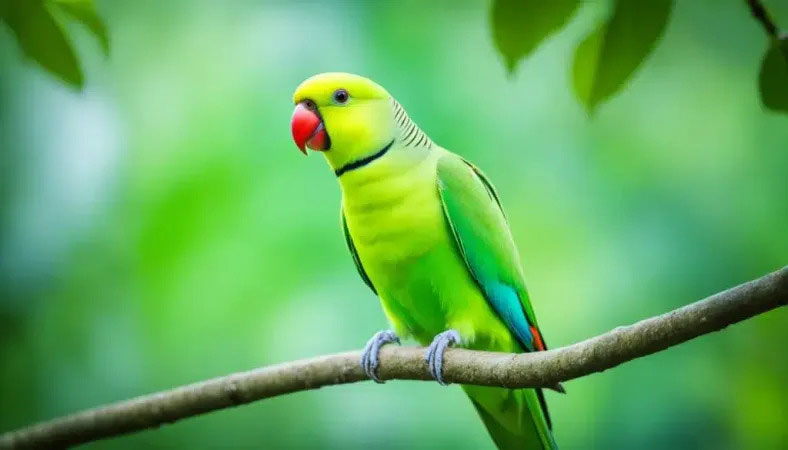
Parrots are also famous for their stunning appearance. Their feathers come in bright greens, reds, blues, yellows, and many mixed patterns. These bold colors help them hide among leaves and branches while also attracting mates. Large parrots like macaws are especially striking, while smaller parrots such as budgerigars are loved for their cheerful and soft color combinations.
Another defining feature of parrots is their strong, hooked beak. This powerful tool allows them to break open hard nuts, seeds, and fruits that other birds cannot eat. Parrots also rely on their beaks to climb, hold objects, and explore their surroundings. Their special foot structure—with two toes facing forward and two backward—gives them excellent balance and grip, making them skilled climbers.
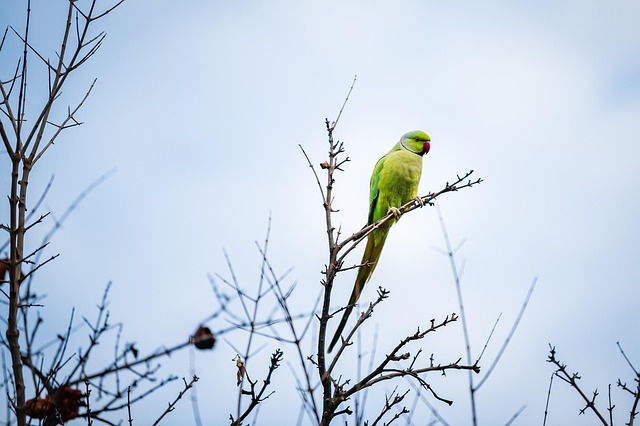
Parrots are social by nature and usually live in groups called flocks. They communicate using a wide range of sounds, movements, and expressions. These signals help them stay connected, alert each other to danger, and strengthen social bonds. Many parrots form long-term partnerships, working together to raise their young. Depending on the species, they nest in tree holes, rocky areas, or underground spaces.
Sadly, many parrot species are now under threat. Deforestation, illegal pet trade, environmental changes, and habitat destruction have caused serious declines in their populations. Some species, like the Spix’s Macaw, disappeared from the wild due to human activity. Conservation programs are now focused on protecting habitats, stopping illegal trade, and reintroducing endangered parrots into safe environments.
In summary, parrots are far more than colorful birds—they are intelligent, emotional, and vital to nature. Their bright feathers, sharp minds, and strong social bonds make them truly extraordinary. By understanding parrots better and supporting conservation efforts, we can help protect these remarkable birds for future generations.