Sparrows are among the most common and loved birds found around the world. These small and lively birds are closely connected to human life and are often seen in cities, villages, gardens, and open parks. Even though they are tiny, sparrows bring great joy through their cheerful chirping and active movements. This article explores their lifestyle, behavior, role in nature, and the special bond they share with people.
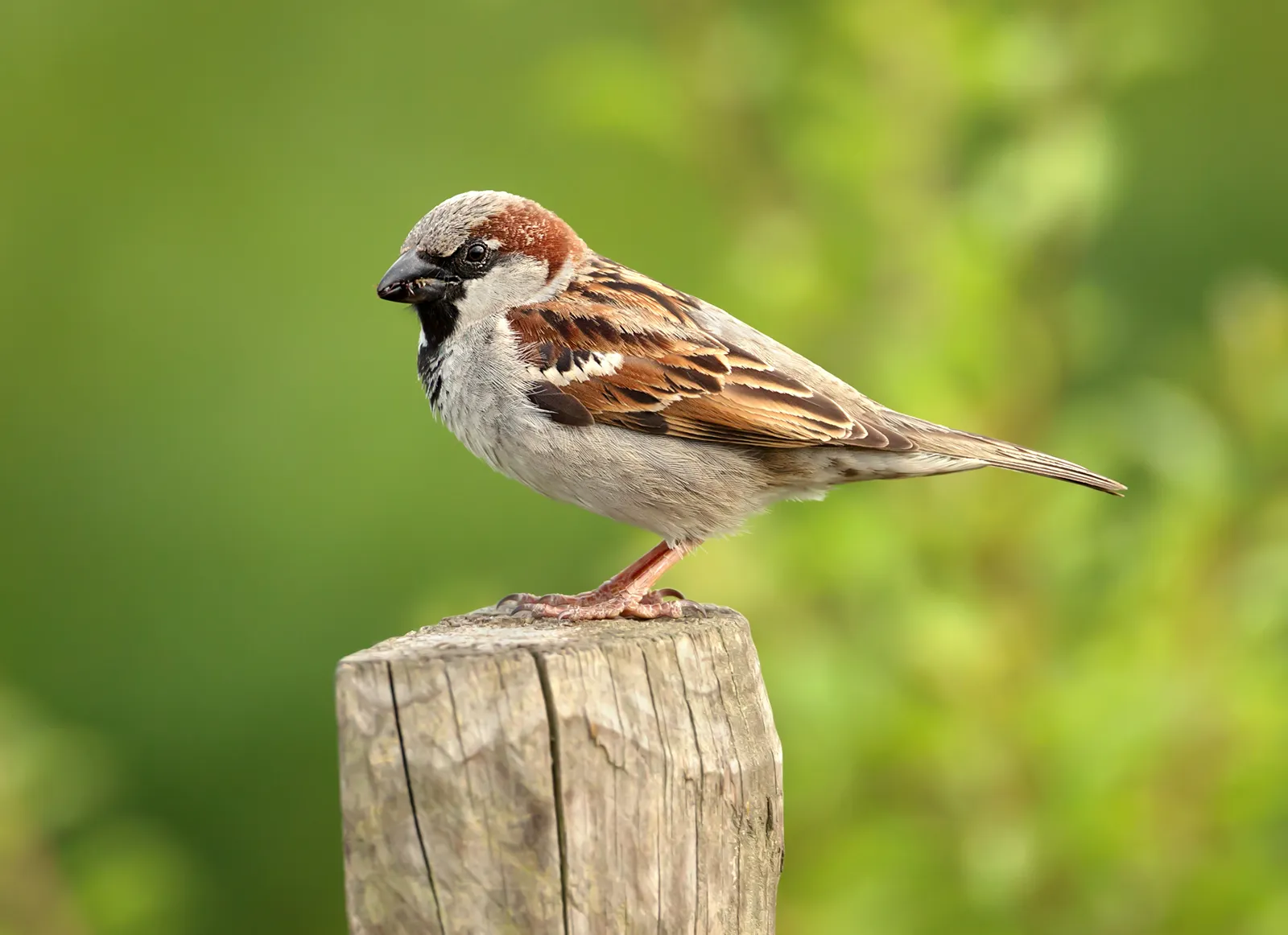
Sparrows belong to the bird family Passeridae, which includes many species spread across different regions of the world. The House Sparrow is the best-known species and has lived near human settlements for thousands of years. Their feathers are usually shades of brown, gray, and white, helping them blend easily into their surroundings. Male sparrows often have darker patterns, while females have lighter colors that help them stay protected while caring for their nests.
What makes sparrows especially charming is their energetic and social nature. They hop around quickly, search for food together, and sometimes playfully compete with one another. Sparrows enjoy living in groups and are often seen resting together on rooftops, wires, and fences. Their constant chirping serves as a way to communicate—alerting others to danger, calling their young, or simply staying connected with the flock.

They help reduce insect populations by feeding on insects and larvae, which is beneficial for farms and gardens. Sparrows also eat seeds and grains, helping spread plant life and support ecological balance. Their daily activities quietly contribute to a healthier environment.
Sparrow nesting habits are simple yet fascinating. They build nests using grass, feathers, twigs, and even small pieces of paper or cloth. These nests are often found in wall gaps, tree branches, streetlights, or building corners. Both parents work together to protect and feed their chicks, showing strong family cooperation. Many sparrows return to the same nesting spots year after year.
For centuries, sparrows have shared a close relationship with humans. They appear frequently in poems, folk stories, and cultural traditions across different societies. In many cultures, sparrows symbolize happiness, freedom, and hope. Their early morning songs are often associated with new beginnings and peaceful moments.
Sadly, sparrow numbers have decreased in many urban areas due to air pollution, fewer nesting spaces, and limited food availability. However, humans can help by creating bird-friendly environments—planting trees, setting up nesting boxes, and providing clean water sources. Small actions can make a big difference for their survival.
In summary, sparrows may be small, but their impact on nature and human life is significant. Their lively behavior, environmental contribution, and long-standing presence in our daily surroundings make them truly special. The next time you hear a sparrow singing nearby, pause for a moment and appreciate this tiny bird that adds life and warmth to our world.