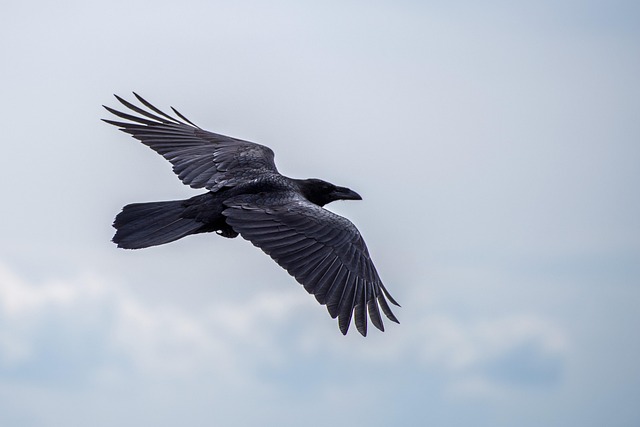
Crows are among the most remarkable and intelligent birds on the planet. Recognized for their shiny black feathers, distinctive calls, and impressive problem-solving skills, crows have fascinated humans for centuries. They are found across nearly every continent and climate, demonstrating extraordinary adaptability. Whether in cities, forests, farmlands, coastal regions, or mountains, crows thrive in a wide range of environments, making them one of the most successful bird species in the world. This article explores their behavior, intelligence, social life, and the vital roles they play in nature.
Crows are members of the Corvidae family, which also comprises ravens, magpies, and jays. In South Asia, the House Crow and Jungle Crow are most commonly seen. Their sleek black feathers, strong beaks, and upright posture make them easy to identify. Always alert and highly aware of their surroundings, crows are quick to avoid danger and efficiently locate food.
What truly sets crows apart is their exceptional intelligence. Research has shown that crows can recognize human faces, use tools, remember specific locations, and solve intricate problems. With a brain-to-body ratio similar to that of dolphins and great apes, they rank among the smartest animals on Earth. Crows can plan ahead, cooperate in groups, and teach their young essential survival skills, which helps them thrive in both natural and urban settings.
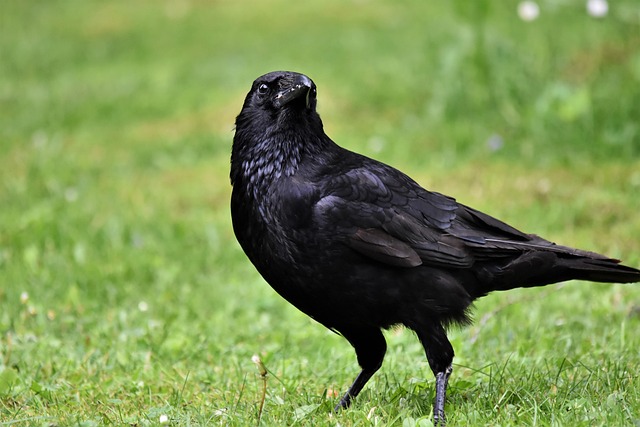
Crows are also highly social. They live in groups known as “murders,” where they communicate using a variety of calls, gestures, and postures. Their signature “caw caw” sound serves multiple purposes: alerting other crows, signaling the presence of food, or warning of predators. Crows often cooperate to protect the group and even display behaviors resembling mourning rituals when a member dies, highlighting the strength of their social bonds.
A versatile diet also contributes to their success. Crows are omnivores, feeding on fruits, seeds, insects, small animals, fish, leftover human food, and carrion. This wide-ranging diet allows them to survive in diverse environments. In urban areas, crows help maintain cleanliness by consuming food waste, indirectly contributing to a healthier ecosystem.
Crows have long held symbolic significance in human culture. In many traditions, they represent intelligence, mystery, and transformation. Ancient stories often depict them as messengers, guardians, or symbols of foresight. While some associate crows with bad luck due to their dark color, many admire their cleverness, adaptability, and problem-solving abilities. Their presence in folklore, mythology, and art reflects a deep human fascination with these birds.
Beyond their cultural value, crows are vital to the environment. They help control insect populations, clean up organic waste, and assist in dispersing seeds, making them important contributors to ecological balance.
In conclusion, crows are far more than ordinary black birds. They are intelligent, social, and resourceful creatures that play a crucial role in ecosystems around the world. Observing a crow in action is a reminder of their brilliance and adaptability, emphasizing just how extraordinary these birds truly are.