
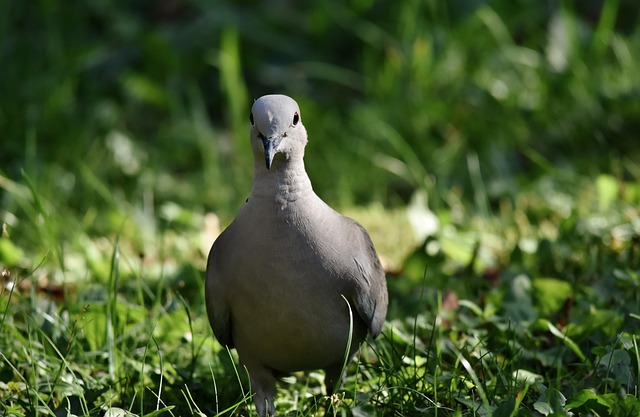
Pigeons are among the most well-known birds on Earth. They can be seen almost everywhere—busy cities, quiet villages, open countryside, forests, and even distant islands. Over thousands of years, pigeons have learned to live comfortably alongside humans. Because of their calm nature and close relationship with people, they are often seen as symbols of peace, unity, and endurance. Whether resting on buildings, moving together in groups, or calmly walking on the ground, pigeons are a familiar and comforting part of everyday life. This article explores their background, habits, intelligence, and the reasons they are admired across the world.
Pigeons belong to the bird family Columbidae, which includes over 300 different species found globally. The most common type, the Rock Pigeon, originally lived on cliffs and rocky areas but later adapted perfectly to human-made structures like buildings and bridges. Their soft cooing sounds and relaxed behavior give them a gentle charm. Pigeons appear in many colors, including gray, white, brown, and mixed patterns, making each bird slightly unique in appearance.
One of the most impressive traits of pigeons is their intelligence. Research shows that pigeons can recognize human faces, remember places, and solve simple problems. They have an extraordinary sense of direction and a powerful memory, which allowed them to serve as messenger birds in the past. During wars, pigeons carried important messages across long distances, often saving lives. Even today, scientists continue to study their navigation skills, which remain a mystery in many ways.
Pigeons hold a special place in human culture and tradition. They are widely associated with peace, love, and hope. White pigeons—often called doves—are released during special events to represent harmony and new beginnings. In many cultures, pigeons are believed to bring good fortune and positive energy. Artists, poets, and writers have long been inspired by these birds, using them as symbols in stories and artwork.
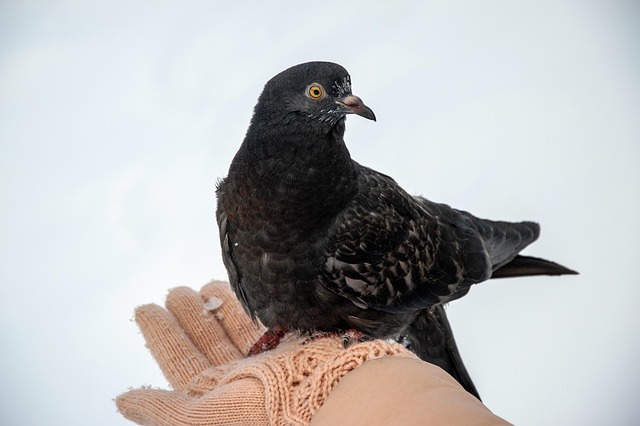
In the wild and in cities, pigeons are social and calm birds. They prefer to move in flocks, which helps protect them from danger. Their diet mainly consists of seeds, grains, fruits, and small insects. In urban areas, they often eat leftover food, which explains why they are commonly seen in public spaces. Pigeons build simple nests using twigs and small materials, and both parents share the responsibility of caring for their chicks. This teamwork shows their strong family connection.
Watching pigeons fly is a beautiful experience. When a flock takes off together, their wings reflect light as they move smoothly through the sky. Pigeons are strong flyers and can travel long distances at surprising speeds. Their graceful flight patterns make them popular subjects for photographers and nature lovers.
Although pigeons are sometimes overlooked or misunderstood, they are valuable members of the environment. By feeding on scattered grains and food waste, they help keep areas clean. Their presence adds life and movement to urban spaces, and their peaceful behavior makes them easy to observe and enjoy. Learning more about pigeons helps us appreciate the important role even common birds play in our surroundings.
In summary, pigeons are far more than ordinary city birds. They are smart, loyal, adaptable, and deeply connected to human history. Their gentle calls, smooth flight, and calm presence remind us that nature’s beauty often exists right in front of us. The next time you notice a pigeon nearby, take a moment to admire this quiet yet remarkable bird.